Everything You Need to Know Before Visiting Spain
Spain has a way of pulling people in and not letting go. Maybe it’s the sunny beaches, maybe it’s the centuries-old cities where Roman ruins sit next to Moorish palaces, or maybe it’s just the food. Whatever the reason, Spain keeps showing up on everyone’s travel list — and once you visit, it’s easy to see why.
But let’s be honest: planning a trip to Spain can feel a little overwhelming at first. When should you go? How much will it cost? What do locals actually do differently than you’d expect? This guide walks you through all of that, so you can show up prepared and spend less time guessing and more time enjoying yourself.
Why Spain Is Worth Visiting
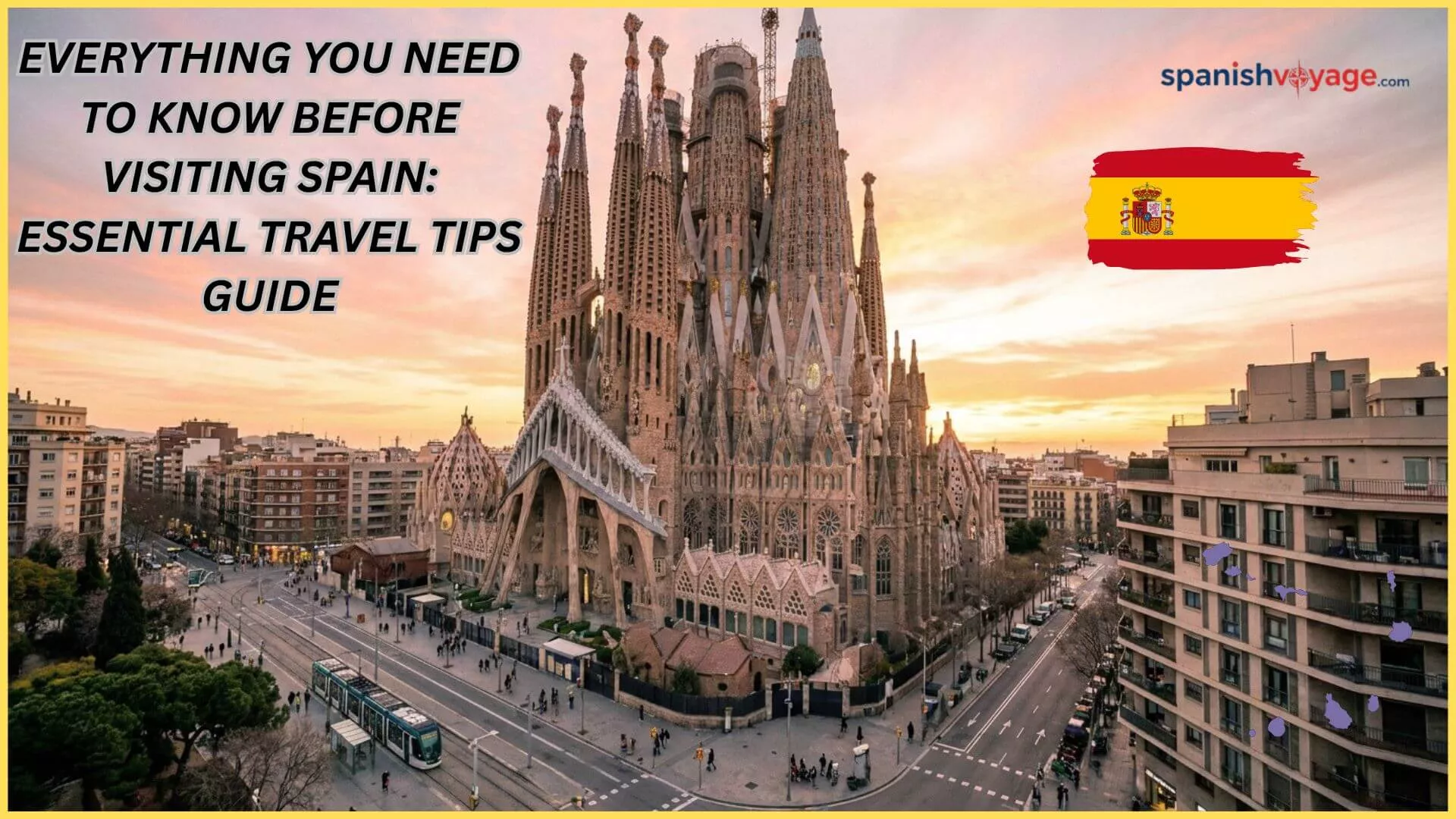
Spain isn’t just one destination — it’s dozens rolled into one country. You’ve got the Alhambra in Granada, Gaudí’s dreamlike buildings in Barcelona, and the old streets of Seville, all telling different chapters of the same layered history.
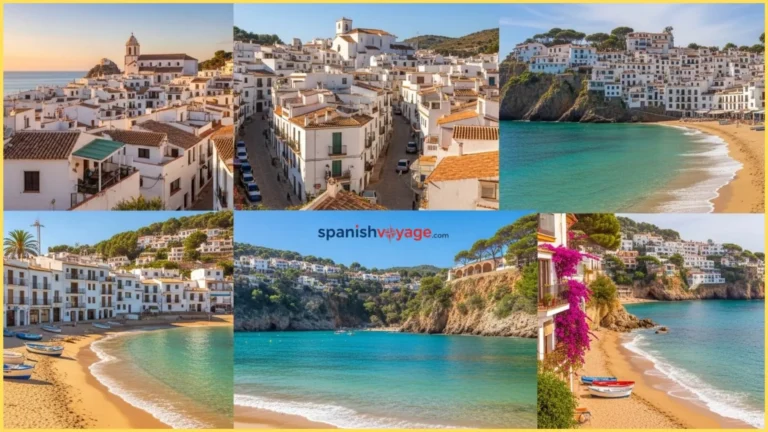
Then there’s the geography. One week you could be wandering through Madrid’s museums, and the next you’re hiking in the Pyrenees or lounging on a beach in the Canary Islands. Every region feels like its own little world, with its own food, pace, and personality.
And speaking of food — this might be the real reason people fall in love with Spain. Meals here aren’t rushed; they’re an event. Paella in Valencia, pintxos in the Basque Country, jamón ibérico pretty much everywhere. Eating your way through Spain is half the fun.
When to Go
Spring (March–May): mild weather, blooming flowers, fewer crowds — great for sightseeing.
Summer (June–August): peak season, lively beaches and festivals, but inland cities like Madrid and Seville can get brutally hot.
Autumn (September–November): still pleasant weather, thinner crowds, and often better prices.
Winter (December–February): quieter and cheaper, with festive city lights and good skiing in the Pyrenees or Sierra Nevada.
If you want good weather without the crowds, spring and autumn are usually your best bet.
Entry Requirements
Before you book anything, double-check your passport validity — most travelers need at least three months left beyond their departure date from the Schengen Area. Visa rules depend on your nationality, so it’s worth confirming current requirements rather than assuming last year’s rules still apply.
Travel insurance isn’t always required, but it’s genuinely a good idea. Medical emergencies abroad get expensive fast, and a solid policy covers cancellations and lost luggage too.
Budgeting for Your Trip
Spain can flex to fit almost any budget. Backpackers staying in hostels and eating at casual spots can get by on relatively little, while those wanting boutique hotels and fine dining will find plenty of options too.
A few practical tips:
- Book accommodation early, especially in Barcelona, Madrid, or San Sebastián during peak season.
- High-speed trains are fast but pricier if booked last-minute — buses are the budget-friendly alternative.
- Look for the “menú del día” at lunch — a set menu that’s often a great value.
Culture and Etiquette Basics
Greetings are warm — expect two cheek kisses among friends, or a handshake in more formal settings. Simple courtesy phrases like “por favor” and “gracias” go a long way.
Meal times might surprise you. Lunch often runs from 2 to 4 p.m., and dinner doesn’t really start until 9 p.m. or later in bigger cities. Show up at a restaurant at 6 p.m. expecting dinner, and you might find the kitchen still closed.
Tipping is much more relaxed than in the U.S. — service is usually included, so a small tip for great service is a nice gesture, not an obligation.
Cities Worth Visiting
Madrid: grand boulevards, the Prado Museum, buzzing nightlife.
Barcelona: Gaudí’s architecture, beach access, a creative energy all its own.
Seville: flamenco, orange-tree-lined streets, the Alcázar.
Valencia: futuristic City of Arts and Sciences, paella’s hometown.
Granada: the Alhambra and deep Moorish heritage.
Food and Drink to Try
Paella (best enjoyed in Valencia), tapas (more of a social ritual than a single dish), jamón ibérico, and churros with hot chocolate are all must-tries. For drinks, sangria gets the tourist spotlight, but locals often reach for cava, vermouth, or tinto de verano instead.
Getting Around
The AVE high-speed trains connect major cities quickly and comfortably — genuinely one of the best parts of traveling in Spain. Buses are cheaper but slower, domestic flights help for longer hops (like to the islands), and renting a car makes sense if you want to explore rural areas at your own pace. Just know that parking in historic city centers can be a headache.
Staying Safe
Spain is generally very safe, including for solo travelers. The main thing to watch for is pickpocketing in crowded tourist spots and on public transport. The emergency number is 112, covering police, ambulance, and fire services.
Festivals Worth Knowing About
La Tomatina (the tomato fight in Buñol), the Running of the Bulls in Pamplona, Semana Santa processions in Andalusia, and Seville’s Feria de Abril are all iconic — though not every event suits every traveler’s taste.
Common Mistakes to Avoid
- Showing up for dinner too early and finding restaurants closed.
- Underestimating how much walking historic city centers require.
- Assuming Spain’s regions are all culturally similar (they’re not — Catalonia, Andalusia, and the Basque Country each have distinct identities and even languages).
- Not booking popular sites like the Alhambra or Sagrada Família in advance.
Sample Itineraries
- 3 days: pick one city (Madrid, Barcelona, or Seville) and go deep rather than wide.
- 7 days: combine Madrid, Barcelona, and either Seville or Valencia for a well-rounded trip.
- 14 days: mix major cities with smaller towns, the coast, and maybe an island or mountain escape.
FAQ
Is Spain expensive? Generally more affordable than other major Western European destinations, though it varies by city and season.
Do people speak English? Common in tourist areas, less so in smaller towns.
Is it safe for solo travelers? Yes, with normal precautions in crowded areas.
Best way between cities? High-speed trains, for most routes.
The best advice for visiting Spain is pretty simple: eat later than you’re used to, book big attractions ahead of time, and don’t expect every region to feel the same. Do that, and you’ll get a trip that feels less like a checklist and more like a real adventure.