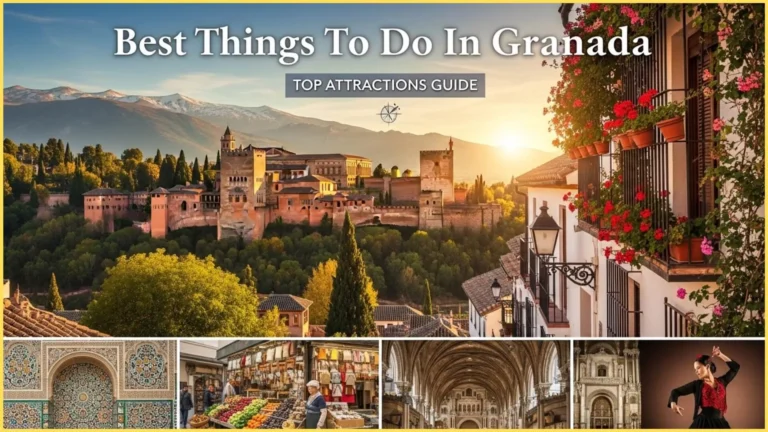
Best Places to Travel in Spain: Spots You’ll Love
Spain has a little something for everyone. You can spend the morning wandering through sunny squares, relax on a Mediterranean beach in the afternoon, or explore an old palace before heading out for tapas in the evening. Every part of the country has its own charm, from quiet mountain villages to lively cities and beautiful coastal towns. When it comes to finding the best places to travel in Spain, the real challenge is deciding where to go first.
In this guide, we’ll explore 12 wonderful places to visit in Spain, including famous cities, historic towns, sunny islands, and the green landscapes of the north. You’ll also discover a few hidden gems, five hotel recommendations, the best time to visit, and some helpful tips for planning your trip. Whether you’re looking for a relaxing beach holiday, a weekend in a lively city, great local food, or a chance to wander through streets full of history, Spain has plenty of places waiting to be discovered.
Barcelona: Where Art Meets the Mediterranean

Barcelona is the city most first-time visitors put at the top of their list, and it deserves it. The architecture is unlike anywhere else, with Gaudí’s buildings scattered across the city, and the food, beaches and lively neighbourhoods give it a relaxed, creative energy.
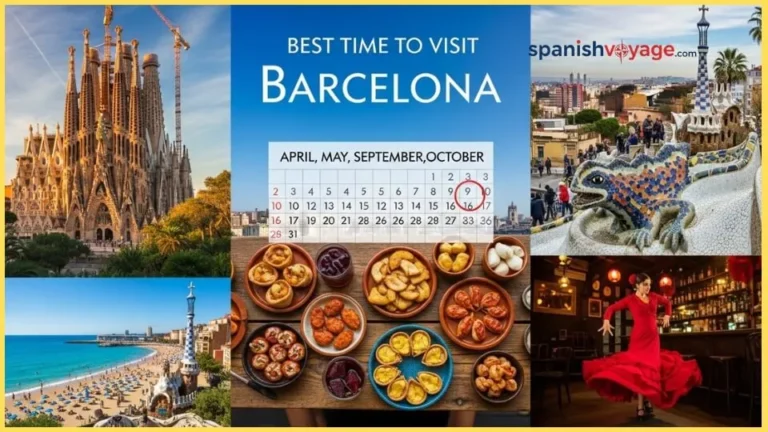
Start with the Sagrada Família, the huge basilica that has been under construction for well over a century. It is worth booking a timed ticket in advance and going inside, where the light through the stained glass is remarkable. Park Güell is another Gaudí highlight, with colourful mosaics and views over the city. Then wander through the Gothic Quarter, a maze of narrow medieval streets, small squares and hidden bars.
Do not miss the food. Tapas, Catalan dishes like pa amb tomàquet and fresh seafood are easy to find, and a walk along Barceloneta Beach is a good way to end the day. Plan on three days to see the main sights comfortably, and visit in spring, early summer or September for pleasant weather and fewer crowds.
Madrid: Spain’s Capital of Art, Food and Nightlife
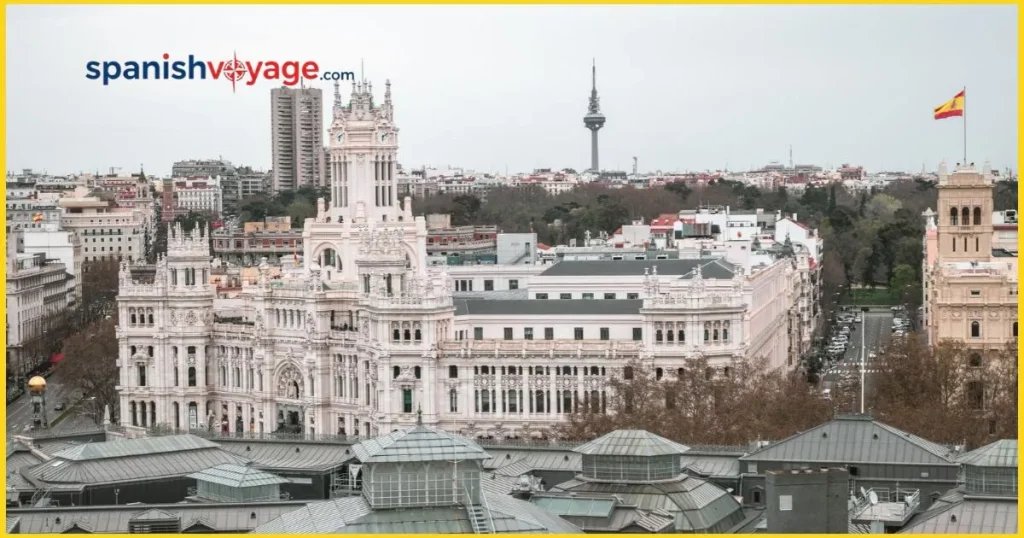
Madrid is a city of grand boulevards, famous museums, green parks and late-night dining. It does not have a beach or an obvious single landmark, but it has a way of winning people over once they settle into its rhythm.
The Prado Museum is the main attraction for art lovers, with masterpieces by Velázquez, Goya and El Greco. The Royal Palace is one of the largest in Europe, and Retiro Park is a lovely place to slow down in the afternoon. Plaza Mayor is worth a visit, though some of the best food is found in the smaller streets nearby and in the local food markets.
Eat late, as the locals do, and try traditional tapas and a plate of jamón. Madrid also makes an excellent base for day trips to Toledo and Segovia, both of which are easy by train. Two to three days is a good length for the city itself.
Seville:
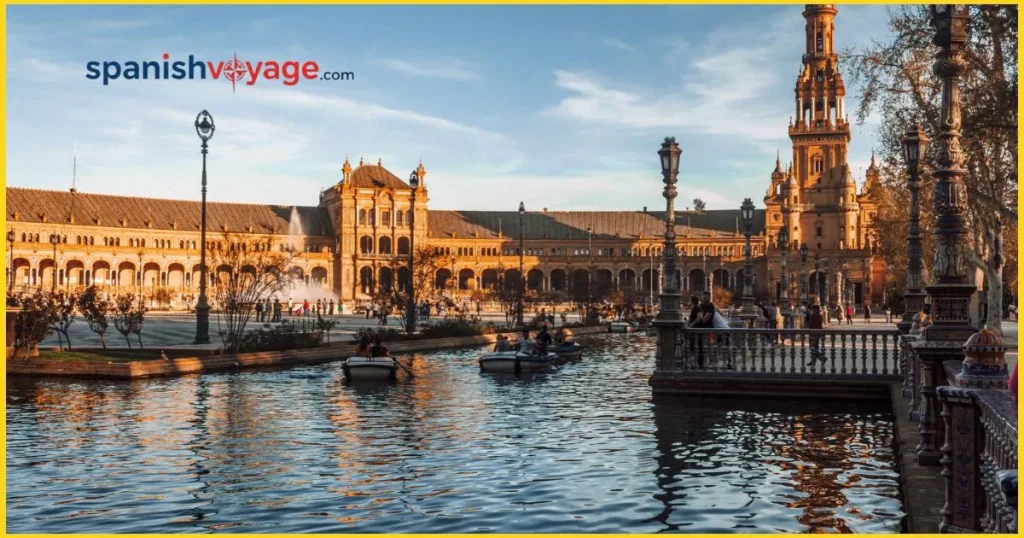
Seville is full of orange-scented streets, Moorish architecture, flamenco, and warm Andalusian evenings. It is a city that rewards slow wandering, with plenty of shaded corners to stop in when the sun gets strong.
The Real Alcázar is a highlight, a royal palace with beautiful tilework, courtyards and gardens. Book tickets ahead, since it is popular and slots fill up. Seville Cathedral is one of the largest in the world, and you can climb the Giralda tower for views over the old town. Plaza de España is a grand semicircular square that looks like a film set, and the Santa Cruz neighbourhood is perfect for an evening stroll.
Spring and autumn are the best seasons to visit, since summer can be extremely hot. In 2027, Holy Week runs from 21 to 28 March,h and the April Fair is expected in mid-April, so book early if you want to see them. Allow two to three days.
Granada:
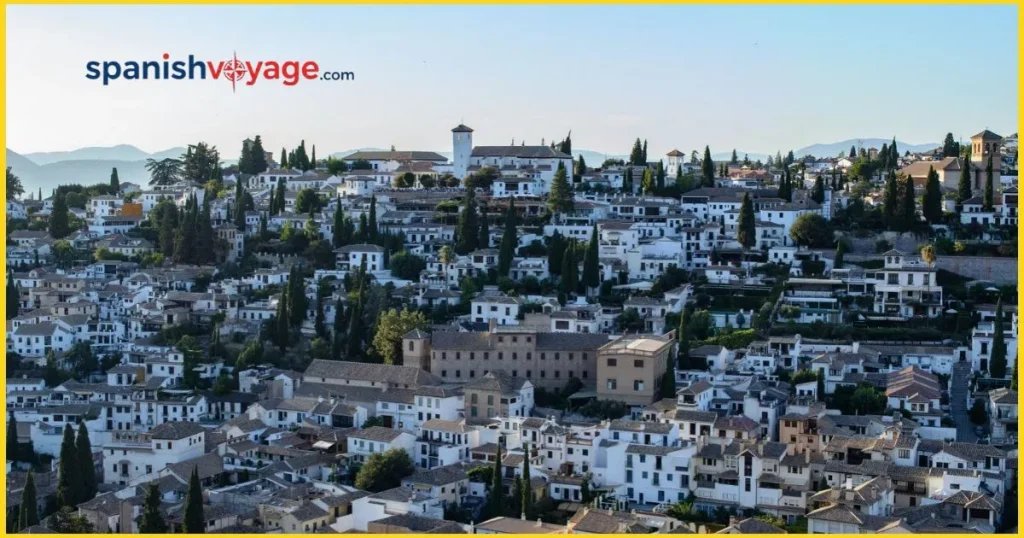
Granada is a city of intricate palaces, hillside lanes and mountain views, with the snow-capped Sierra Nevada rising in the distance. The Alhambra is the main reason people come, and it is one of the most beautiful historic sites in Europe.
Tickets for the Alhambra can sell out weeks or even months ahead, so book as early as you can and choose your time slot carefully. After the palace and its gardens, wander through the Albaicín, the old Moorish quarter, with its steep white lanes and hidden squares. At sunset, head to the Mirador de San Nicolás for views across to the Alhambra as the light changes.
Granada also has a great tapas culture, where many bars still serve a free snack with every drink. Give yourself at least two days, and allow time to enjoy the viewpoints rather than rushing between sights.
Valencia:

Valencia balances historic streets with futuristic buildings and a relaxed Mediterranean way of living. It is often overlooked in favour of Barcelona, but it has a lot to offer, including a city beach, good food and a more affordable feel.
The City of Arts and Sciences is a striking complex of white, curved buildings that looks like something from a science fiction film. The Turia Gardens, a long green park built in an old riverbed, are perfect for cycling or a slow walk, and Malvarrosa Beach is a wide sandy stretch just a short ride away.
Valencia is the home of paella, so look for a restaurant that cooks it properly. The traditional version uses chicken, rabbit and local beans rather than seafood. If you enjoy festivals, Las Fallas takes place in March, with huge sculptures, fireworks and street parties. Plan on two to three days.
Córdoba:
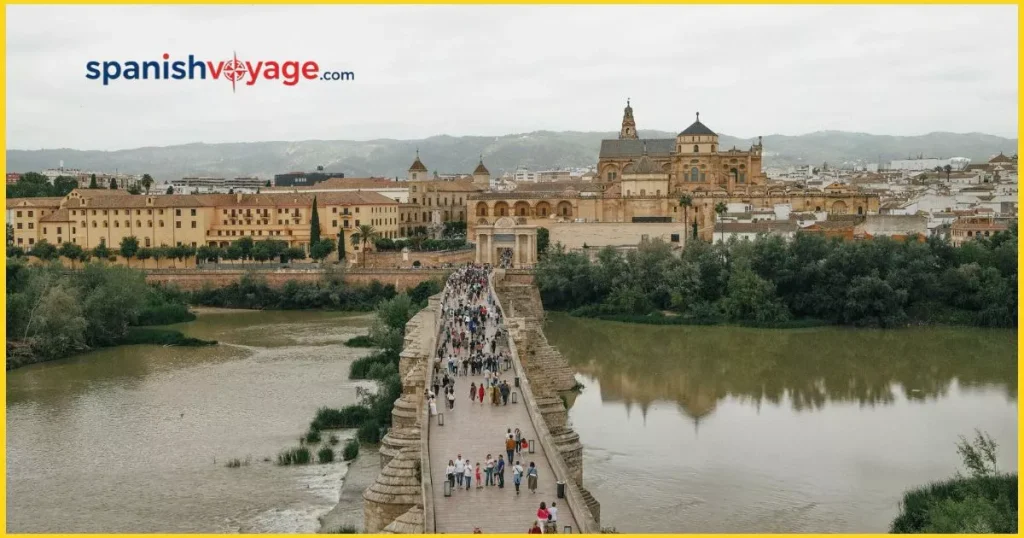
Córdoba is an atmospheric historic city where Islamic, Christian and Jewish heritage meet. It is smaller and quieter than Seville or Granada, and it has a calm, thoughtful feel.
The Mosque-Cathedral is the star, a vast building where a forest of red and white arches opens into a cathedral built inside the old mosque. Walk across the Roman Bridge, then explore the flower-filled patios and the narrow lanes of the old Jewish Quarter. The patios are at their best in May, during the Patios Festival, when residents open their courtyards to visitors.
Córdoba works well as a day trip from Seville or Madrid by high-speed train, but staying overnight lets you see the old town in the quiet of the evening.
San Sebastián:
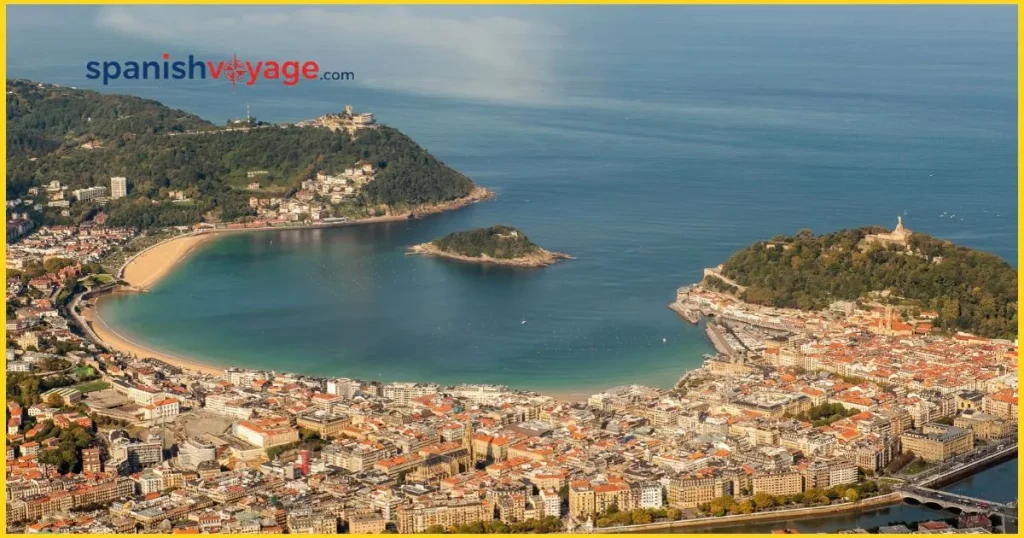
Head north and the scenery changes. San Sebastián is a green, elegant coastal city with sandy beaches, elegant buildings and some of the best food in Spain. It feels very different from the south, and it is a favourite with couples and food lovers.
Walk beside La Concha Bay, one of the prettiest city beaches in Europe, and climb one of the hills for views over the water. The Old Town is packed with pintxo bars, where you can hop from place to place, trying small bites and a glass of local wine. The city has more Michelin stars per square metre than almost anywhere, but good food is easy to find at every level.
Nearby fishing villages such as Hondarribia and Getaria make easy day trips. Visit in summer for the beach or in early autumn for a quieter stay. Plan on two to three days.
Málaga:
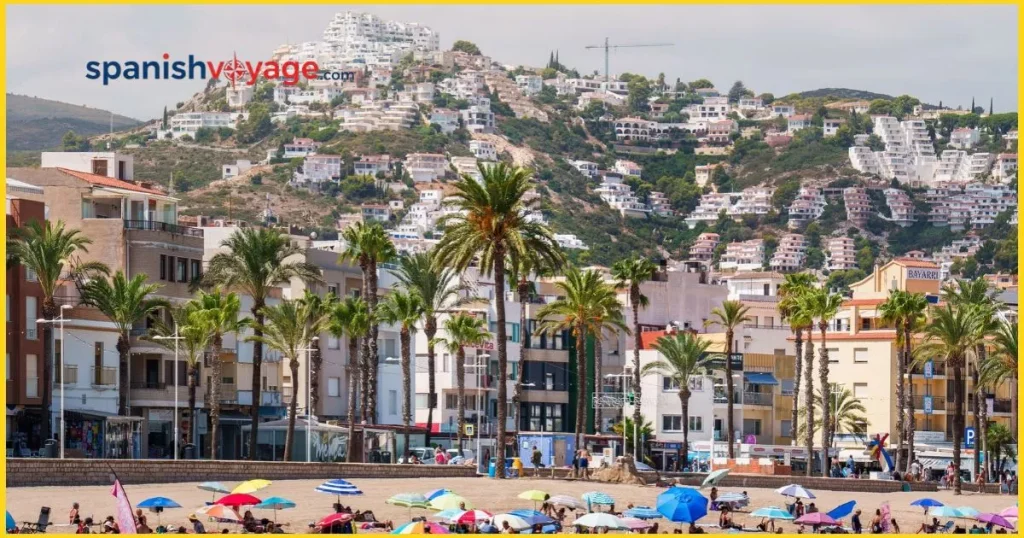
Málaga is much more than a gateway to the Costa del Sol. It is a walkable city with museums, historic landmarks, and a lively old town, and it has become one of the most popular places in Andalusia.
Explore the Alcazaba, a Moorish fortress, and the nearby Roman Theatre, then visit the Picasso Museum, since the artist was born here. Malagueta Beach is a city beach just a short walk from the centre, and the old town has plenty of tapas bars and cafes.
Málaga is also a great base for exploring the Costa del Sol and day trips to Nerja, Ronda and the Caminito del Rey. It is warm for most of the year, which makes it a good option in winter too.
Santiago de Compostela:
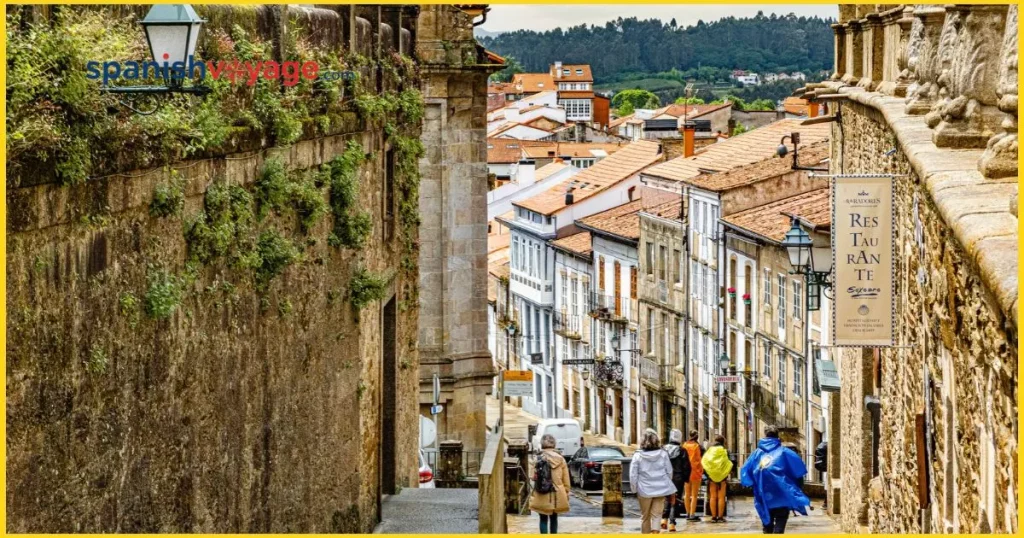
Santiago de Compostela, in Galicia, is the end point of the Camino de Santiago, and it has a spiritual, welcoming atmosphere. The old town is a maze of stone streets, arcades and historic squares, often damp with rain, which only adds to the charm.
The Cathedral is the heart of the city, and it is a moving place to visit, especially if you have seen pilgrims arriving after weeks of walking. Explore the old town’s arcades and squares, then try Galician food, including octopus, empanadas,s and fresh seafood with a glass of Albariño.
An important note for 2027. It is a Holy Year in Santiago, which happens when the feast of Saint James on 25 July falls on a Sunday. Expect many more pilgrims and visitors than usual, and book accommodation early. It is a great destination for history lovers, walkers and travellers who want to see Spain beyond the Mediterranean coast. Allow two days.
Mallorca:
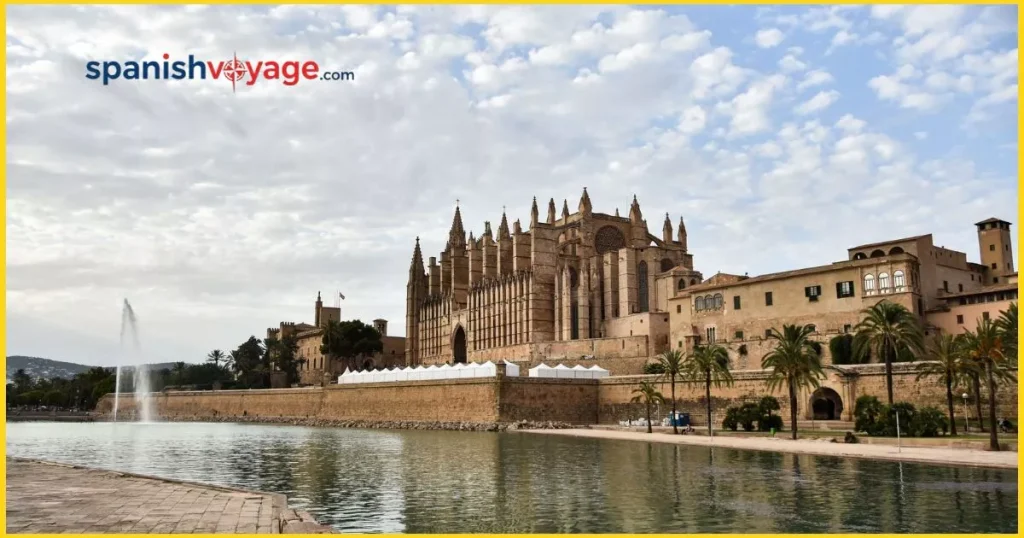
Mallorca is a beautiful island of sheltered coves, clear water, stone villages and the dramatic Serra de Tramuntana mountains. It is far more varied than its reputation as a beach destination suggests.
Start in Palma, with its old town and impressive cathedral, then head into the mountains to visit Valldemossa and other scenic villages. The island’s coves and beaches are among the prettiest in Spain, and some of the best are reached by short walks from small car parks.
A rental car makes it much easier to explore the coast and villages, although buses and trains cover some main routes. In summer, accommodation fills up quickly, so book early. The shoulder months of May, June and September are a good balance of warm weather and fewer crowds.
Toledo:
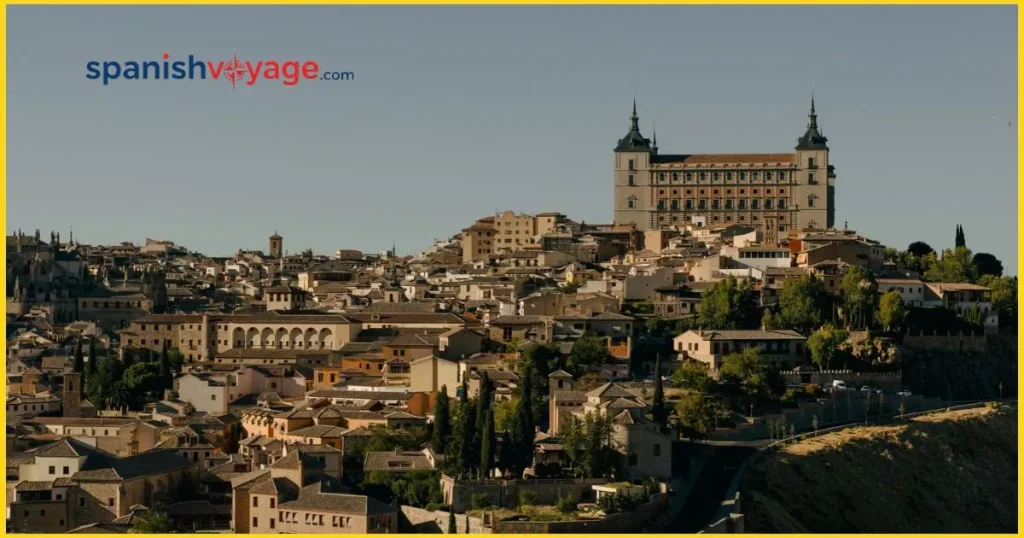
Toledo is a city of stone walls, winding lanes, historic churches and sweeping views above the Tagus River. It was once the capital of Spain, and it has a rich multicultural past, with Christian, Jewish and Muslim heritage sitting side by side.
Explore the cathedral and the historic centre, and look out for the old synagogues and churches that show this mix of cultures. For the best views, cross the river and look back at the skyline from a viewpoint outside the old town.
Toledo is easy to visit as a day trip from Madrid by train, taking around half an hour on the fast service. Staying overnight is a good idea if you want a quieter experience once the day trippers have gone.
More Beautiful Places to Add to Your Spain Itinerary
If you have extra time, these smaller places are worth adding.
Girona has medieval lanes, colourful riverside houses and historic walls, and it pairs well with Barcelona. Plan one to two days.
Besalú is a tiny town with a beautiful stone bridge and a remarkably preserved old town. It is best as a half-day stop, often combined with Girona.
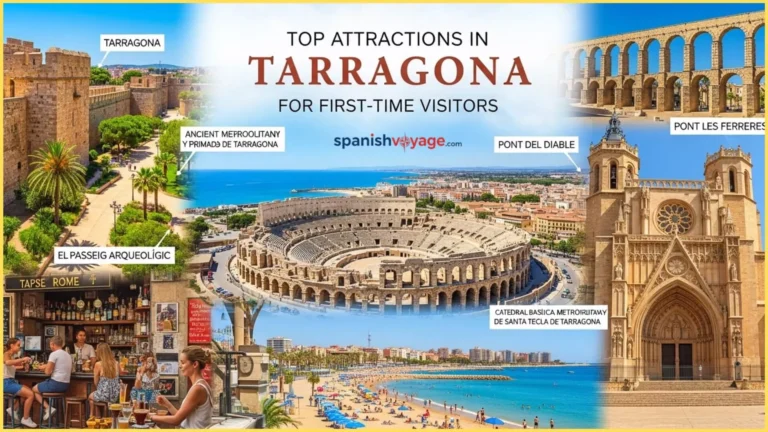
Tarragona has Roman ruins beside the Mediterranean, including an amphitheatre above the sea. It works as a day trip from Barcelona or as an overnight stop.
Cáceres in Extremadura has stone palaces and a medieval old town that feels frozen in time. It is a great stop between Madrid and Seville or Portugal.
The Canary Islands offer volcanic landscapes, beaches, and year-round outdoor adventures. They are a good choice for winter sun.
The 5 Best Hotels in Spain
These hotels are examples across different parts of Spain, not a ranking. Prices and facilities change, so check each hotel’s official website before you book.
1. Hotel España, Barcelona
A characterful hotel in Barcelona’s old town on Carrer de Sant Pau, close to La Rambla and the Gothic Quarter. It is a good example for travellers who want to explore the city on foot, and it suits first-time visitors and architecture lovers.
2. Hotel Fénix Gran Meliá, Madrid
A luxury hotel in Madrid’s Salamanca area on Calle Hermosilla, close to shopping, restaurants and cultural attractions. It suits couples and travellers who want an upscale stay.
3. Hotel Alfonso XIII, Seville
A landmark hotel on Calle San Fernando, near Seville’s historic centre. It suits travellers who want elegant surroundings and easy access to the city’s famous monuments, and it is a good choice for romantic stays and special occasions.
4. Palacio Gran Vía, a Royal Hideaway Hotel, Granada
This five-star boutique hotel is on Gran Vía de Colón, directly opposite Granada Cathedral. It is set in a former bank building from 1905, restored and reopened as a hotel, with a rooftop terrace overlooking the cathedral and the Alhambra, and a heated indoor pool and hammam. The Alhambra is roughly one kilometre away. It suits couples and travellers exploring Andalusian heritage.
5. Hotel Catalonia Granada
A more modern alternative in Granada, on Avenida de Madrid, with a contemporary style and facilities such as a pool and spa. It gives you an option beyond traditional luxury accommodation, and suits couples and travellers who prefer modern amenities.
What Is the Best Time to Visit Spain?
Spain changes with the seasons, and the best time depends on where you are going.
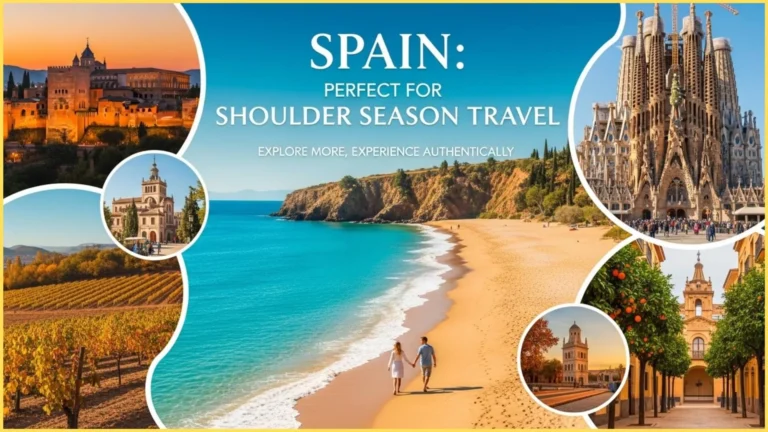
Spring (March to May) brings pleasant sightseeing weather, blooming landscapes and seasonal festivals.
Summer (June to August) is the season for beach holidays, island escapes and lively evenings, although inland cities can become extremely hot.
Autumn (September to October) is a lovely time for city breaks, food experiences and Mediterranean beaches.
Winter (November to February) is quieter and good for museums and historic cities, with mild weather in some southern and island destinations.
Spring and autumn are the best choices if you want to combine several regions comfortably. Conditions vary by region, and festival dates can change, so check before you book.
Best Places in Spain by Interest
| If you want… | Consider |
|---|---|
| Beaches | Valencia, Málaga, Mallorca, the Canary Islands |
| Culture and history | Madrid, Seville, Granada, Córdoba, Toledo |
| Food | San Sebastián, Barcelona, Valencia |
| Families | Valencia, Barcelona, Mallorca |
| Short city breaks | Toledo, Córdoba, Seville, Girona |
| Something different | Santiago de Compostela, Cáceres, Besalú |
How to Plan a Trip Around Spain
How Many Days Do You Need in Spain?
These are suggestions, not fixed rules.
3 to 4 days: Barcelona or Madrid.
5 to 7 days: Barcelona and Madrid, or Seville and Granada.
10 to 14 days: A multi-city trip combining Barcelona, Madrid and Andalusia.
Two weeks or more: Add northern Spain, the Balearic Islands or smaller historic towns.
Getting Around Spain
High-speed trains connect most major cities and are comfortable and quick, with Madrid to Barcelona taking around three hours and Madrid to Seville a little over two and a half. Buses are useful for smaller destinations, and renting a car makes sense for rural villages, mountain areas and coastal routes.
What Should You Eat in Spain?
Food changes from region to region. Try paella in Valencia, pintxos in the Basque Country, gazpacho and fried fish in Andalusia, and Catalan dishes in Barcelona. In Galicia, look for octopus and fresh seafood. Eat later than you may be used to, since lunch is often around two and dinner after nine.
Where Should You Stay in Spain?
City centre hotels are the easiest for sightseeing, beach resorts suit relaxed holidays, boutique guesthouses give you character, and rural stays are good for quiet escapes. Choose a base that fits how you like to travel.
Frequently Asked Questions
What are the best places to travel in Spain for first-time visitors? Barcelona, Madrid, Seville, Granada and Valencia make a varied first trip, combining architecture, history, food and city life.
What is the most beautiful place in Spain? There is no single answer. The Alhambra in Granada, Barcelona’s architecture, Mallorca’s coves and the historic streets of Seville offer very different kinds of beauty.
How many days do you need to visit Spain? Seven to ten days works well for a few major destinations, and two weeks allows more time for regional discoveries and slower travel.
What is the cheapest time to visit Spain? Late autumn and winter can offer lower accommodation prices in many destinations, outside major holidays and events, though prices vary by location.
Is Spain better for beaches or cultural holidays? Both. You can combine coastal relaxation with museums, historic monuments, food experiences and lively cities.
Which Spanish cities are best for couples? Seville, Granada, Barcelona and San Sebastián offer appealing combinations of scenery, dining, architecture and romantic walks.
Can you travel around Spain by train? Yes. Major cities are connected by rail, including high-speed services on many routes, although some rural places are easier to reach by bus or car.
Spain is a country of contrasts. There is the golden light of Andalusia, the Mediterranean breeze in Barcelona, the quiet lanes of Toledo and the green coastline of Galicia, and each one feels like a different trip. You do not need to see everything. Choose the places that match your interests and your pace, leave room for slow mornings and long dinners, and let the trip unfold. The best places to travel in Spain are the ones that make you want to come back.