Best Museums in Madrid: 7 Must-Visit Art and History Museums
Madrid is a city where art lives in grand galleries, royal palaces and quiet historic houses. From the masterpieces of Velázquez and Goya to the archaeological treasures of ancient Spain, its museums tell the story of a country shaped by centuries of creativity, power and culture. If you are looking for the best museums in Madrid, you are spoiled for choice.
Most visitors know the three big art museums along the Paseo del Prado, often called the Art Triangle, and for good reason. But Madrid also has royal collections, archaeology and historic homes that give a very different view of the city. This guide covers seven of the best, with practical tips on tickets, timing and where to stay. Opening hours, prices and free entry slots change, so check each museum’s official website before you go.
Why Visit the Museums in Madrid?
Madrid has one of the richest cultural scenes in Europe. Its museums hold some of the finest collections of Spanish and European painting in the world, as well as royal treasures and objects from ancient civilisations. Many are close together, so you can see several in a day or two without spending much time getting around.
There is something for every kind of visitor. Art lovers will head for the Prado and the Reina Sofía, history fans will enjoy the Archaeological Museum and the Royal Collections, and anyone who likes a quieter visit will love the small house museums. Museums are also a good plan for hot summer afternoons and rainy days.
The 7 Best Museums in Madrid
1. Prado Museum
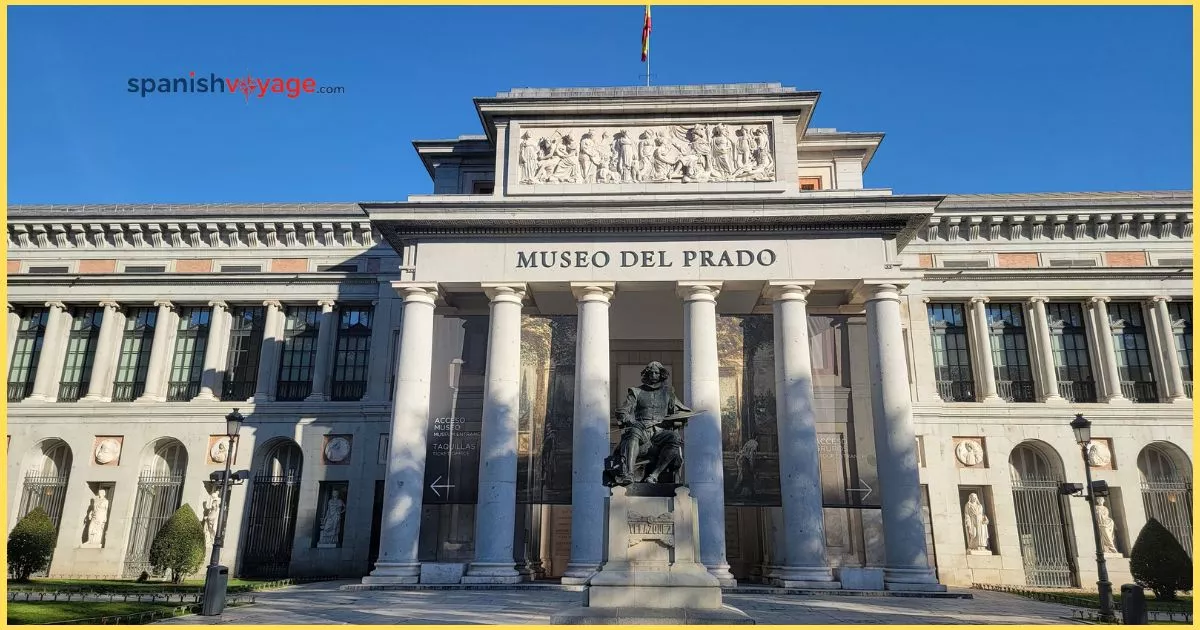
The Prado is the museum that nearly every first-time visitor puts at the top of the list. Its collection is one of the finest in the world, with works by Velázquez, Goya, El Greco, Rubens, Titian, and Hieronymus Bosch. If you are interested in Spanish and European painting, it is essential.
Famous paintings to see at the Prado. Look for Las Meninas by Velázquez, Goya’s powerful The Third of May 1808 and his dark late works known as the Black Paintings, and Bosch’s strange and wonderful Garden of the Earthly Delights. It is better to pick a handful of rooms than to try to see everything.
How much time to spend at the museum. Plan on at least two to three hours, and more if you are a keen art lover.
Tips for planning your visit. Book timed tickets online to save time. At the time of writing, a standard ticket cost around fifteen euros, and entry has been free during the last two hours of each day, from 6 to 8 pm Monday to Saturday and 5 to 7 pm on Sundays and holidays. Expect queues during the free slot.
2. Reina Sofía Museum
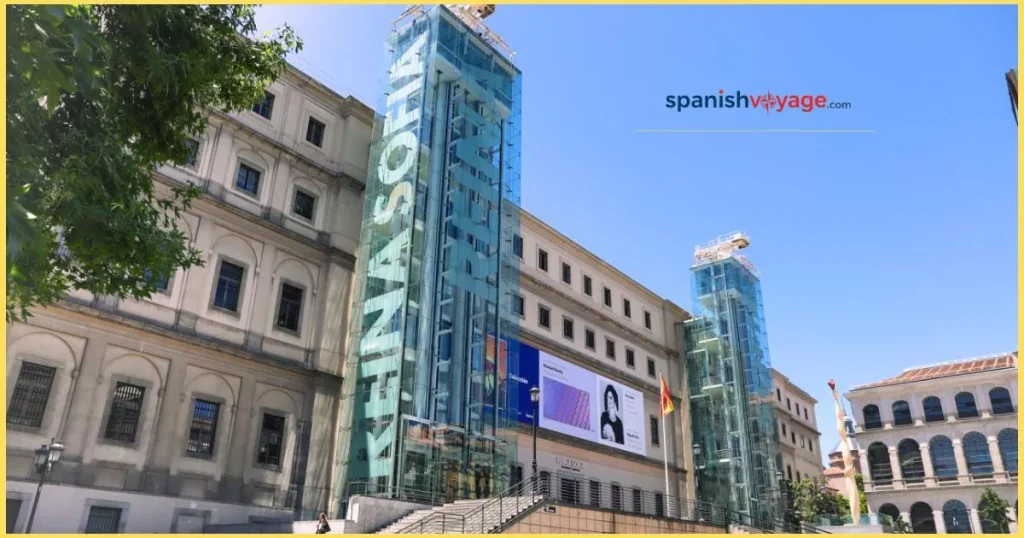
The Reina Sofía is best known for Pablo Picasso’s Guernica, the huge black, white, and grey painting made in response to the bombing of the Basque town of Gernika in 1937. Standing in front of it is one of those experiences that stays with you.
Why Guernica is so important. It is more than a famous painting. It is a powerful statement about war and suffering, and it is one of the most important works of the twentieth century.
Key artists and collections. The museum also holds major works by Salvador Dalí and Joan Miró, and the collection reflects Spain’s artistic and political history through the twentieth century. The building is a former hospital, joined to a modern extension by Jean Nouvel.
Visitor tips. Free entry is offered on weekday evenings and on Sunday afternoons, and the museum is closed on Tuesdays. These times change, so check the official website. Allow two to three hours.
3. Thyssen-Bornemisza National Museum
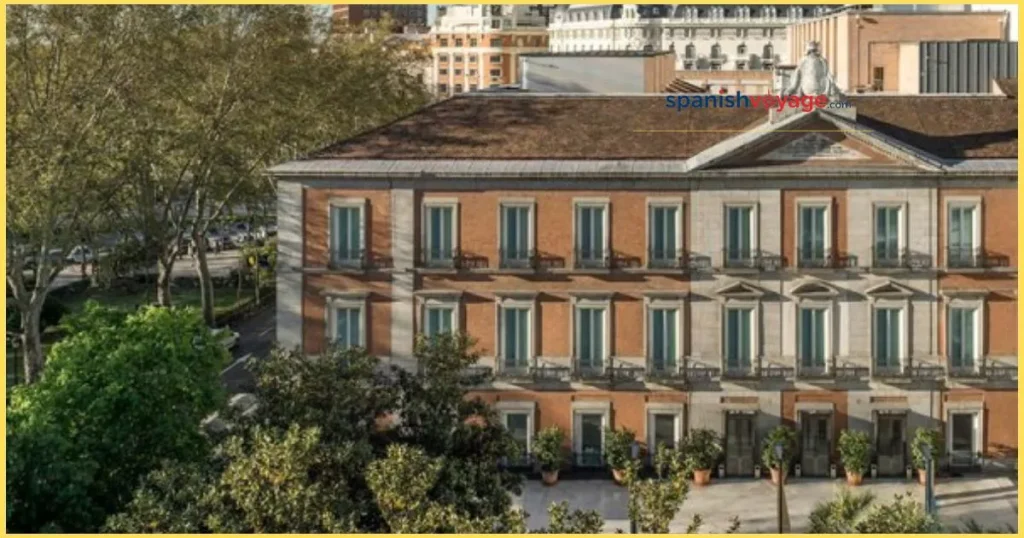
The Thyssen sits between the Prado and the Reina Sofía, and its collection fills the gaps between them. It began as a private collection and now covers seven centuries of painting.
What makes the collection special? It stretches from medieval painting through the Renaissance and Baroque to Impressionism, Expressionism and Pop Art, so you get a long view of art history under one roof.
Artists and paintings to look for. Look for the Impressionists and Expressionists in particular, and the rooms of modern art on the upper floors.
How it complements the Prado and Reina Sofía. The Prado is strongest in older Spanish and European mastetwentieth-centuryía in twentieth century Spanish art, and the Thyssen covers movements neither one emphasises. If you only have time for one extra museum after the Prado, it is a good choice. The permanent collection is free on Monday afternoons, but check for the current schedule.
4. Royal Collections Gallery
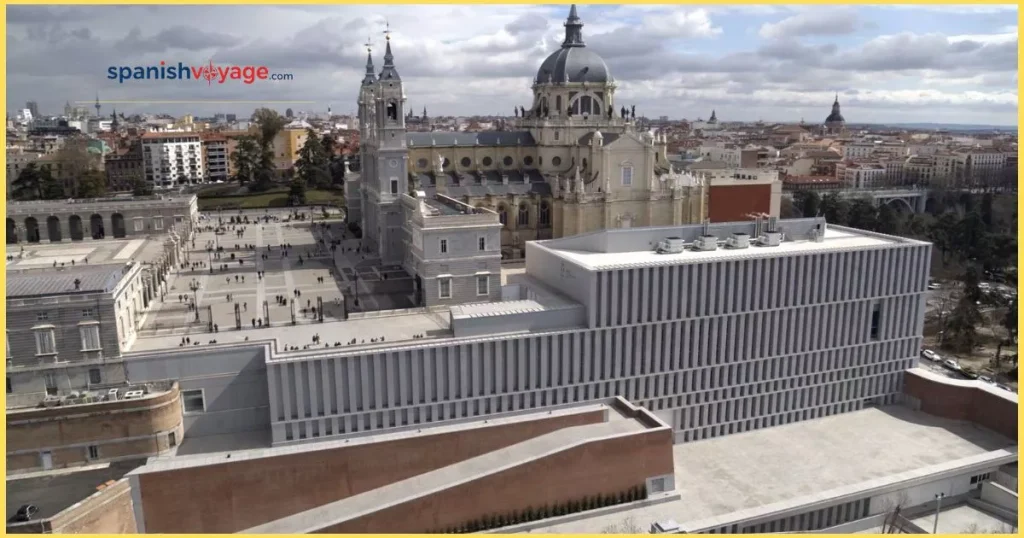
The Royal Collections Gallery is a modern museum beside the Royal Palace and the Almudena Cathedral. It shows more than 650 works and objects from the Spanish royal heritage, including tapestries, sculptures, decorative arts, and carriages.
What to see inside. The displays are arranged to show how Spanish monarchs collected, used, and displayed art over the centuries. It is a good way to see the royal side of Spain.
The royal collections are explained. Each room tells part of the story, with plenty of information, so you do not need to be an expert to enjoy it.
Combine the gallery with the Royal Palace. It fits neatly into a day of sightseeing around the palace. Entry has been free for the general public from 6 to 8 pm, Monday to Thursday, but check before you go.
5. National Archaeological Museum
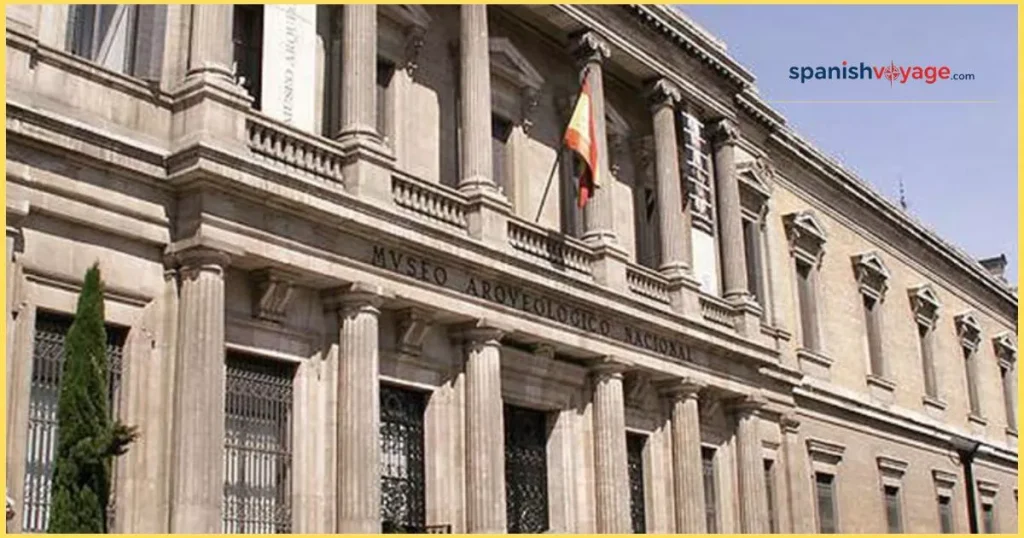
This museum on Calle Serrano takes you through the history of the Iberian Peninsula, from prehistory through Iberian, Greek, Roman, and medieval times.
Ancient treasures and archaeological highlights. The most famous piece is the Lady of Elche, a carved stone bust more than two thousand years old that has become a symbol of ancient Iberian art. The museum also holds Visigothic votive crowns and Roman mosaics.
Understanding Spain’s early civilisations. It shows how different cultures shaped the country, and it is an easy museum to follow because the objects are linked to real people and everyday life.
Is it worth visiting with children? Yes. Many children enjoy it, and it is a good option on a rainy day. State-run museums like this often offer free entry at certain times, so check the official website.
6. Cerralbo Museum
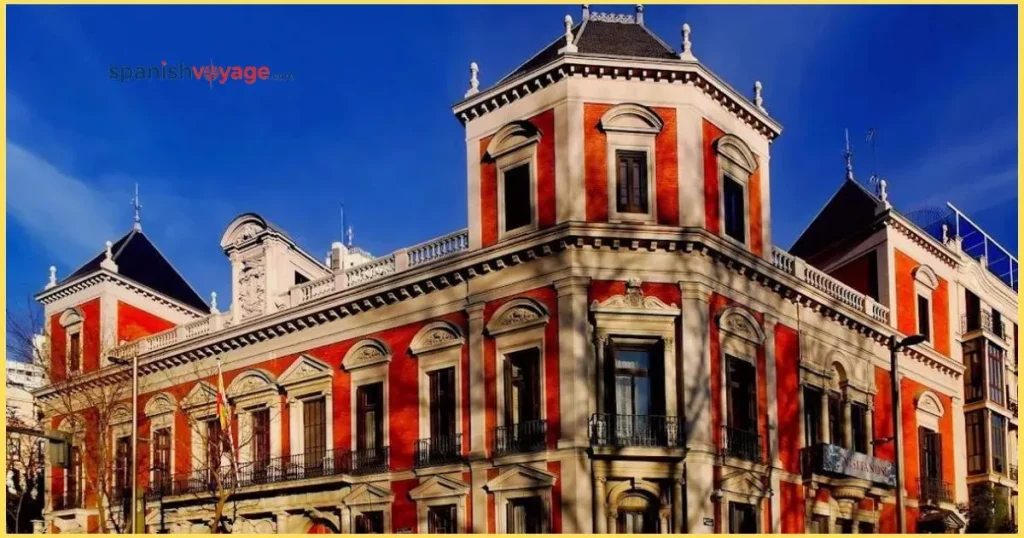
The Cerralbo Museum is one of the most intimate museums. It is a nineteenth-century mansion on Calle Ventura Rodríguez that was the home of the Marquis of Cerralbo, a collector, and it is preserved much as he left it.
What makes the palace special. Walking through the rooms feels like stepping into the home of a wealthy family from another era, with ballrooms, chandeliers, galleries, and a grand staircase.
Rooms and collections to explore. The house is filled with paintings, sculpture, furniture, weapons, ceramics and decorative objects, packed into the rooms as in a private collection.
Why it is a quieter alternative to Madrid’s major museums. It is smaller and less crowded than the big art museums. It is usually open Tuesday to Saturday mornings, with a late opening on Thursday and on Sunday mornings, and closed on Mondays. A five-museum pass covering the Cerralbo, the Lázaro Galdiano, and three other small museums has been available for around twelve euros, valid for ten days.
7. Lázaro Galdiano Museum
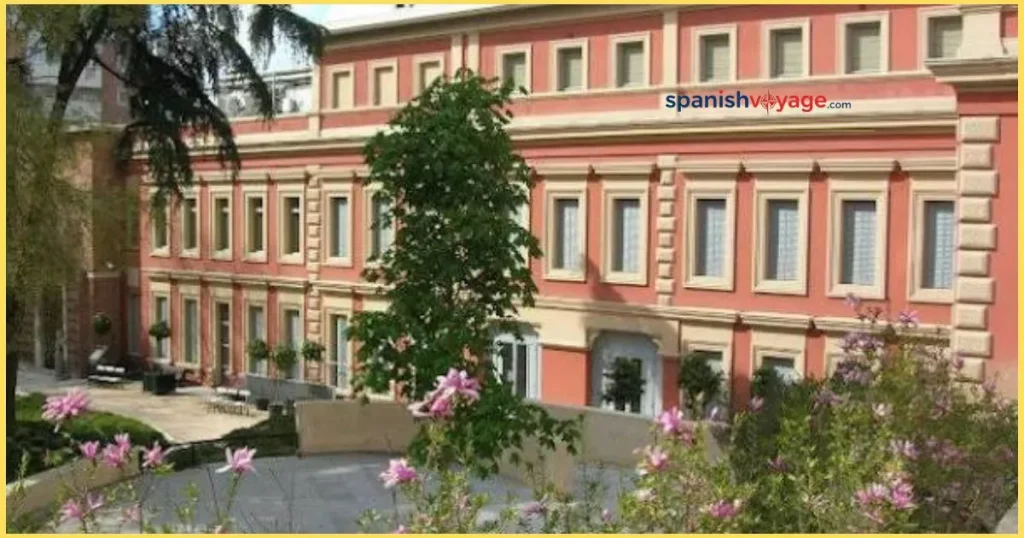
This museum on Calle Serrano is based on the private collection of José Lázaro Galdiano, a publisher and collector, and it is displayed in his mansion. It is far less crowded than the big museums, which makes it a lovely place for a calm visit.
Famous artists and important objects. The collection includes works by Goya, El Greco, Zurbarán and Bosch, along with jewellery, ceramics, bronzes, weapons and other decorative objects.
The historic mansion. The house itself is beautiful, with ornate ceilings and rooms that feel like a private home.
What makes it different from the Prado? It is much smaller and more varied. At the time of writing, admission was around eight euros, and the museum is closed on Mondays. Check the official website for current hours, since weekday and weekend hours differ.
Quick Comparison: Madrid’s Top Museums
| Museum | Main Attraction | Best For |
|---|---|---|
| Prado Museum | Spanish and European masterpieces | Classic art |
| Reina Sofía | Picasso’s Guernica | Modern art |
| Thyssen-Bornemisza | Seven centuries of painting | Art history |
| Royal Collections Gallery | Royal treasures | Spanish monarchy |
| National Archaeological Museum | Ancient artefacts | History |
| Cerralbo Museum | Aristocratic mansion | Historic interiors |
| Lázaro Galdiano Museum | Private art collection | Hidden gems |
The Madrid Art Triangle: Prado, Reina Sofía, and Thyssen
What Makes the Three Museums Special
Together, the Prado, the Reina Sofía and the Thyssen cover a huge span of art history, from medieval painting to modern masterpieces. They sit within a short walk of each other, which is why people call the area the Art Triangle or the Paseo del Arte.
How to Visit Them in One Trip
Seeing all three properly takes a full day or more. If you only have one day, choose two, such as the Prado in the morning and the Thyssen or Reina Sofía in the afternoon. A combined ticket for the three has been offered in the past, so ask about it when you book.
How Much Time to Allow
Allow two to three hours each for the Prado and the Reina Sofía, and about two hours for the Thyssen.
Best Museums in Madrid for History Lovers
Archaeology and Ancient Civilisations
The National Archaeological Museum is the best place to explore Spain’s ancient past, from prehistoric times to the Visigoths.
Royal Collections and Spanish Heritage
The Royal Collections Gallery shows the story of the monarchy through art, tapestries and carriages, and it is right beside the Royal Palace.
Historic Houses and Aristocratic Life
The Cerralbo and Lázaro Galdiano museums let you see how wealthy families lived and collected in beautiful mansions.
Best Museums in Madrid for Families
Museums That Appeal to Younger Visitors
The National Archaeological Museum is a good choice for children, thanks to its objects from daily life, and the carriages at the Royal Collections Gallery are a hit with many younger visitors.
How to Plan Shorter Visits
Keep visits short, with a break for a snack or a park. Pick a few highlights rather than trying to cover everything.
Tips for Visiting with Children
Check age rules, family tickets, nd accessibility, and plan time in Retiro Park, which is close to the Art Triangle.
How to Plan a Museum Visit in Madrid
Tickets and Advance Booking
Book online for the Prado and Reina Sofía, especially in summer and at weekends, to avoid long queues.
Opening Hours and Free Admission Periods
Most museums close one day a week, often Monday or Tuesday. Many offer free entry at certain times, usually in the evening or on Sunday, but these slots are very busy.
Museum Passes and Combined Tickets
Passes can save money if you visit several museums. The five-museum pass for the smaller state museums is one option.
Accessibility and Visitor Facilities
Most major museums have lifts, cloakrooms and audio guides. Check each website for details.
Where to Stay in Madrid for Museum Visits
These five hotels are close to the museums and cover different budgets. They are examples, not a ranking, so check current rates before you book.
1. Mandarin Oriental Ritz, Madrid
Best for a luxury stay beside the Prado. This five-star hotel is on Plaza de la Lealtad, a short walk from the Prado, in a Belle Époque palace.
2. NH Collection Paseo del Prado
Best for a central stay close to the museums. It is a popular hotel near the Prado and the Art Triangle, convenient for walking between the museums.
3. Only YOU Hotel Atocha
Best for the Reina Sofía and trains. A four-star hotel near Atocha station, a short walk from the Reina Sofía and the Prado, with good transport links.
4. Only YOU Boutique Hotel Madrid
Best for a stylish boutique stay. A four-star hotel in a restored nineteenth-century palace in the Salesas neighbourhood, within walking distance of the Paseo del Prado.
5. Room Mate Collection Alba
Best for a design-led stay in the Huertas area. It is a short walk from the Prado and surrounded by cafes and restaurants.
Hotels Around Retiro and the City Centre
The streets near Retiro Park are quieter and green, and good for families, while the city centre has the most choice.
Hotels with Easy Metro Access
Look for hotels near Atocha, Banco de España or Sol, which have good metro and train connections.
A One-Day Madrid Museum Itinerary
Morning: Prado Museum
Start early and spend two to three hours with the highlights.
Lunch Around the Paseo del Prado
Have lunch near the museum, then take a break in Retiro Park.
Afternoon: Thyssen-Bornemisza or Reina Sofía
Visit one of the two, depending on whether you prefer older masters or modern art.
Evening: Walk Through the Literary Quarter
Finish with a stroll through the Barrio de las Letras, with its cafes and bookshops, and enjoy tapas for dinner.
Frequently Asked Questions
What is the most famous museum in Madrid? The Prado Museum, with its great collection of Spanish and European painting.
Which museums in Madrid are free? Several offer free entry at certain times, including the Prado, the Reina Sofía and the Royal Collections Gallery. Check the official websites for current times.
Can you visit the Prado and Reina Sofía in one day? Yes, but it is a full day. It is better to spread them over two days if you can.
How many days do you need for Madrid’s museums? Two days are enough for the main museums, and three days let you add the smaller ones.
Which Madrid museum is best for history? The National Archaeological Museum and the Royal Collections Gallery.
Are Madrid museums worth visiting? Yes. They are among the best in Europe.
What is the best area to stay in Madrid for museums? The area around the Paseo del Prado, Atocha and the Literary Quarter, within walking distance of the Art Triangle.
Madrid’s museums offer more than paintings behind glass. They open doors to the people, ideas, and stories that shaped Spain. Whether you spend an afternoon with Goya, walk through an aristocratic mansion, or discover ancient treasures, each visit adds another layer to your understanding of the capital. Pick the museums that interest you most, leave room for a long lunch in between, and enjoy the city at an easy pace.