Best Museums in Catalonia: 7 Must-Visit Art & History Museums
Catalonia is a land where art, history, and architecture come together in beautiful ways. From the surreal imagination of Salvador Dalí to the medieval treasures of Girona and the Roman heritage of Tarragona, this northeastern corner of Spain offers a remarkable journey through centuries of creativity. In Barcelona, world-famous museums open their doors to extraordinary collections, and beyond the capital, smaller cities reveal hidden artistic treasures and stories that have shaped Catalan identity.
If you are planning a cultural holiday, exploring the best museums in Catalonia is a wonderful way to see the region beyond its beaches and famous landmarks. This guide covers seven outstanding museums in four cities, with practical tips for planning your visit, followed by five hotels that make a comfortable base for exploring the region. Opening hours, prices, and exhibitions change, so check each museum’s official website before you go.
The 7 Best Museums in Catalonia for Art and History
1. National Art Museum of Catalonia (MNAC), Barcelona
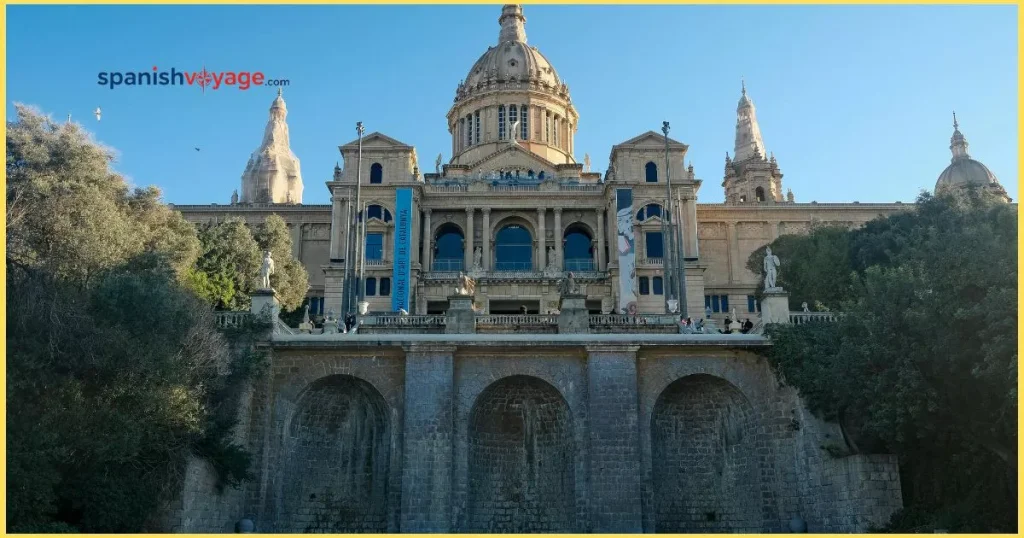
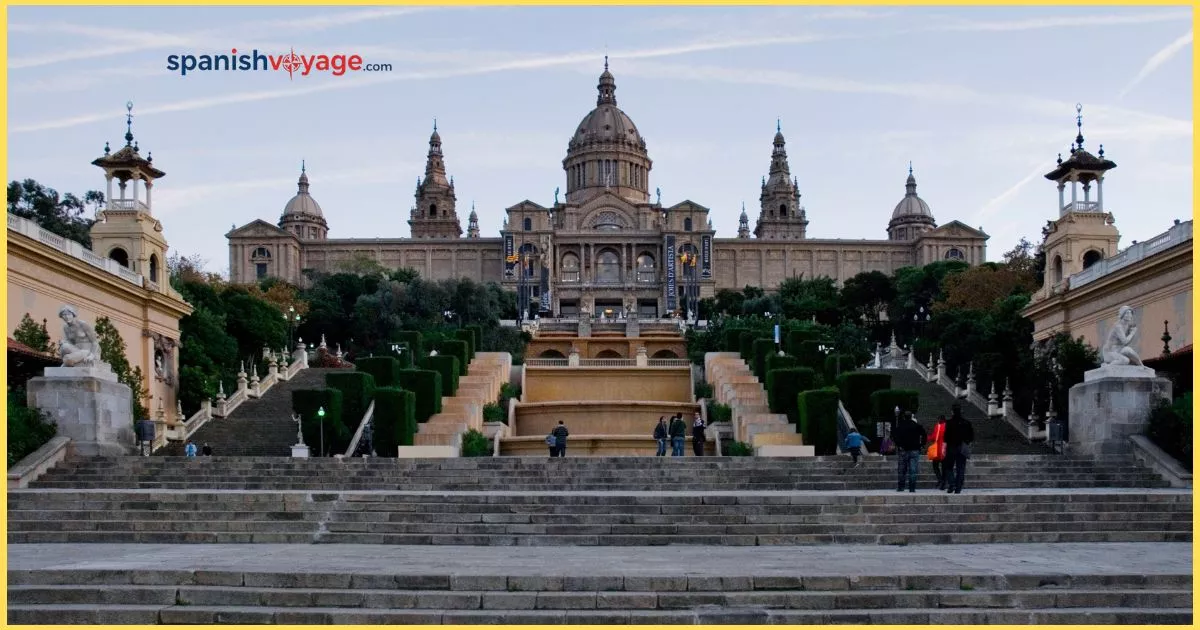
MNAC sits inside the grand Palau Nacional on Montjuïc, and it is one of the most important cultural attractions in Barcelona. Its collections take you through centuries of artistic expression, with a special focus on Romanesque art and medieval Catalan painting.
Discover the Museum’s Remarkable Romanesque Collection. The highlight is the group of painted murals taken from small village churches in the Pyrenees. They are displayed in rooms that recreate the original apses, so you feel as if you are standing inside the chapels. It is one of the best collections of its kind in the world.
Explore Gothic, Renaissance, and Modern Art. After the Romanesque rooms, the museum continues through Gothic, Renaissance, and Baroque works, and then into modern Catalan art. You can follow the story of Catalan painting in a single visit.
Enjoy the Views from Montjuïc. The steps and terrace of the palace have wide views over Barcelona, and they are a good place to take a break.
Tickets, Opening Hours and Visitor Tips. Allow two to three hours. The museum is usually closed on Mondays, and free entry has been offered at certain times, such as some Saturday afternoons and the first Sunday of the month, though this can change. Check the official MNAC website for current details.
2. Picasso Museum, Barcelona
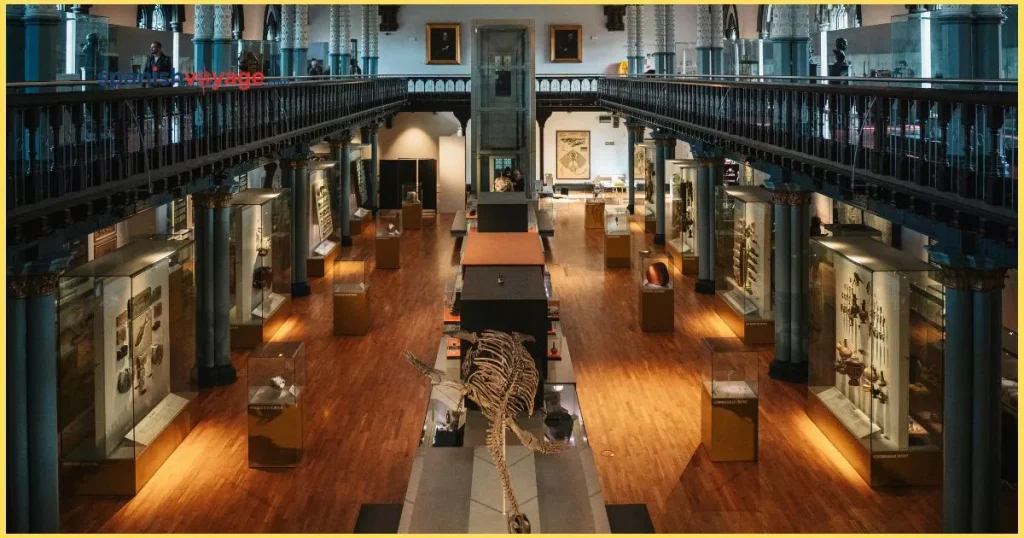
Tucked among the historic streets of El Born, the Picasso Museum gives a fascinating look at the artist’s relationship with Barcelona and his early years as a painter.
Discover Picasso’s Early Years in Barcelona. Picasso spent important years of his youth here, and the museum focuses on that period. You can see his early academic paintings, which show how talented he already was as a teenager.
Explore the Museum’s Historic Palaces. The museum is housed in a row of medieval palaces on Carrer Montcada. The courtyards and stone staircases are part of the experience.
What Makes the Picasso Collection Special? It lets you follow his development from traditional painting to the experiments that helped shape modern art, including his series of variations on Las Meninas by Velázquez.
How to Plan Your Visit. Allow about one and a half to two hours, and book tickets ahead, since it is one of the most popular museums in the city. Take time to wander around El Born before or after your visit.
3. Fundació Joan Miró, Barcelona
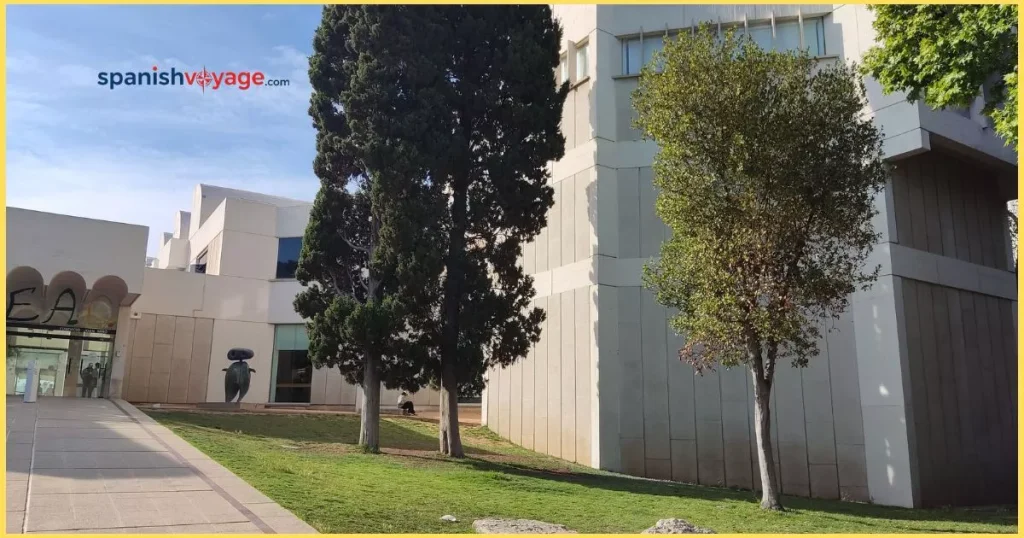
On Montjuïc, surrounded by gardens and city views, the Fundació Joan Miró celebrates one of Catalonia’s most influential artists. Its bright spaces, imaginative paintings and sculptures offer a different experience from traditional art museums.
Discover Joan Miró’s Artistic World. Miró’s art is playful, colourful and full of symbols. The foundation was created by the artist himself and covers his whole career.
Explore Paintings, Sculptures and Tapestries. You will see large colourful canvases, sculptures and textile works, as well as early drawings.
Why the Museum’s Architecture Is Worth Seeing. The light, airy building is part of the appeal, with natural light, terraces and views over the city.
Combine Your Visit with Other Montjuïc Attractions. The foundation is close to MNAC, the gardens, and several viewpoints, so you can easily spend a day on the hill. Allow one to two hours.
4. Dalí Theatre-Museum, Figueres
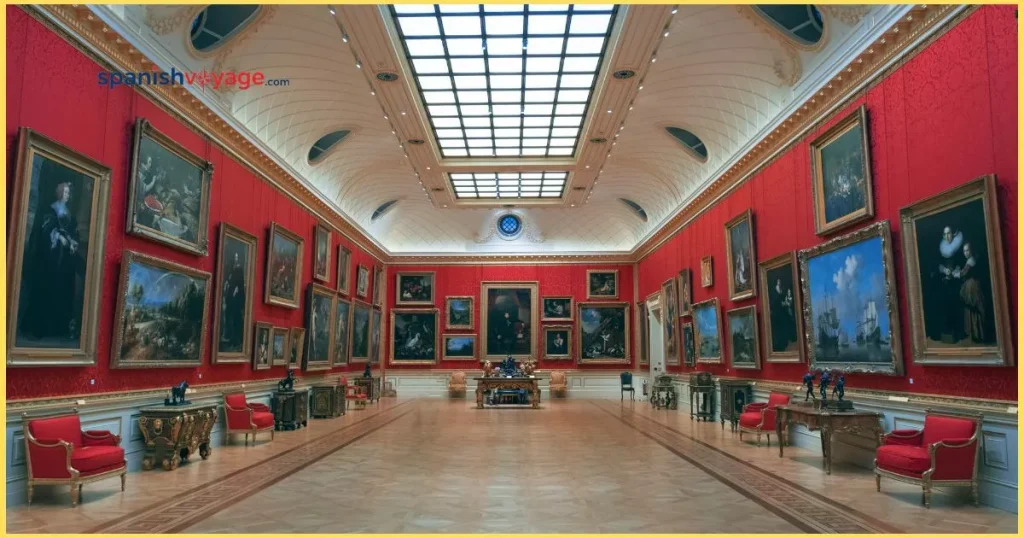
The Dalí Theatre-Museum is one of the most distinctive museums in Catalonia. It is less a traditional museum and more a creation by the artist himself, and the building feels like a surrealist artwork.
Enter Salvador Dalí’s Surrealist World. It sits in a former municipal theatre in Dalí’s hometown and opened in 1974. Inside, you find paintings, sculptures, installations, and surprising visual experiences.
Discover the Museum’s Most Famous Installations. Look out for the Mae West Room and the old car in the courtyard that seems to have rain falling inside it. A large glass dome rises above the old stage, and Dalí is buried in a crypt beneath it.
Why Figueres Is an Essential Cultural Destination. Even for people who do not usually enjoy art museums, the Dalí Theatre-Museum is a memorable experience. Figueres is also near other places linked to Dalí.
How to Visit the Dalí Theatre-Museum from Barcelona. Figueres is a short train ride from Girona and roughly an hour from Barcelona on the fastest trains, so it works as a day trip. Check which station your train uses, book timed tickets in summer, and allow about two hours.
5. Girona Art Museum (Museu d’Art de Girona), Girona
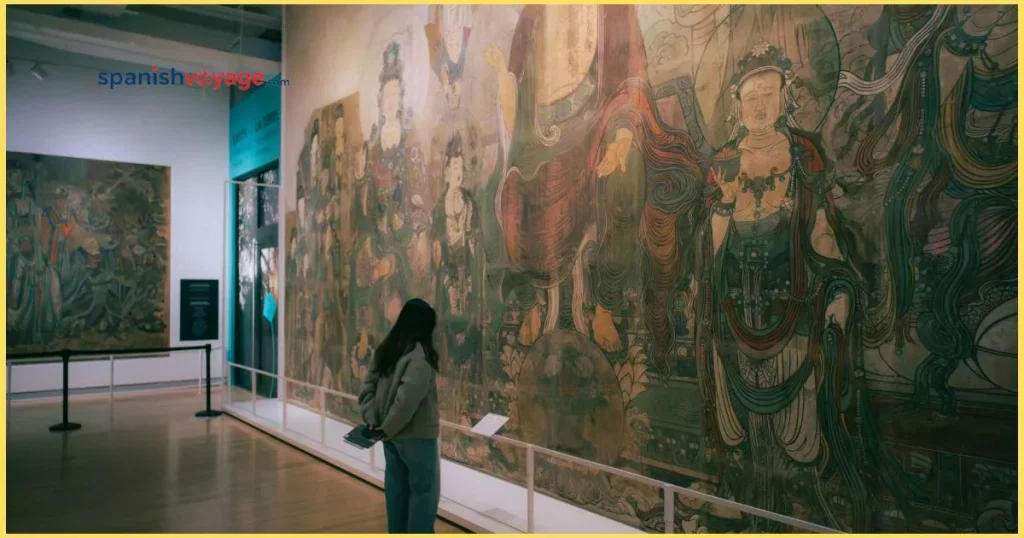
Girona is famous for its medieval streets, colourful houses and Jewish Quarter, but its cultural attractions go well beyond its architecture. The Girona Art Museum fills the former Episcopal Palace, right beside the Cathedral.
Explore the Former Episcopal Palace. The building has a Throne Room, a chapel, and a viewpoint with excellent views over the city, which make the visit even more interesting.
Discover Medieval Catalan Art. The collection includes large Romanesque and Gothic altarpieces, religious art and sculpture, and later paintings from different periods of Catalan history. It is one of the most important collections of this kind in Catalonia.
See the Museum’s Most Important Collections. The museum was founded in 1976 and covers art from the Middle Ages to the twentieth century.
What Else to Visit in Girona After the Museum. According to the museum’s own information, general admission is around seven euros, and a visit usually takes between one hour and one and a half hours. A combined ticket also covers the Cathedral and the Basilica of Sant Feliu. Afterwards, the Jewish Quarter and the old city walls are just a short walk away.
6. Museum of the History of Catalonia, Barcelona
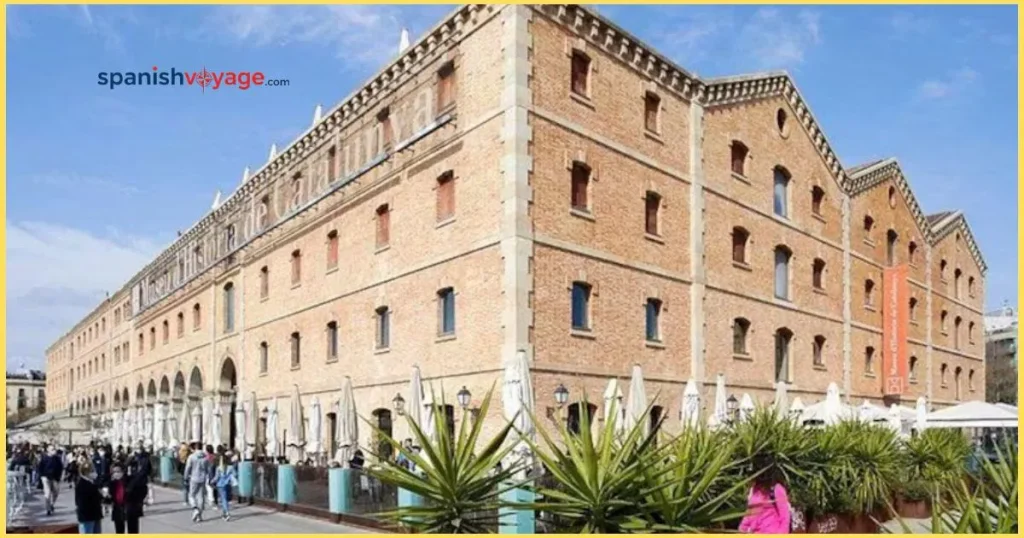
If you want to understand Catalonia beyond its famous buildings and art, this museum is an excellent choice. It sits at Palau de Mar, a renovated warehouse near the waterfront at Port Vell.
Discover the History of Catalonia. The museum tells the story of Catalan society from prehistoric times to the modern age, with a focus on the people who shaped it.
Explore the Different Historical Periods. Displays move through prehistory, Roman rule, the medieval period, and into the modern era, and many are interactive, which makes the history easy to follow.
Learn About Catalan Traditions and Daily Life. You see everyday objects as well as major events, which gives a good sense of how ordinary people lived.
Visit the Museum Near Barcelona’s Port Vell. The rooftop terrace has views over the harbour, and the location makes it easy to combine with a walk along the seafront. Allow around two hours.
7. Museu d’Art Modern de Tarragona (MAMT), Tarragona
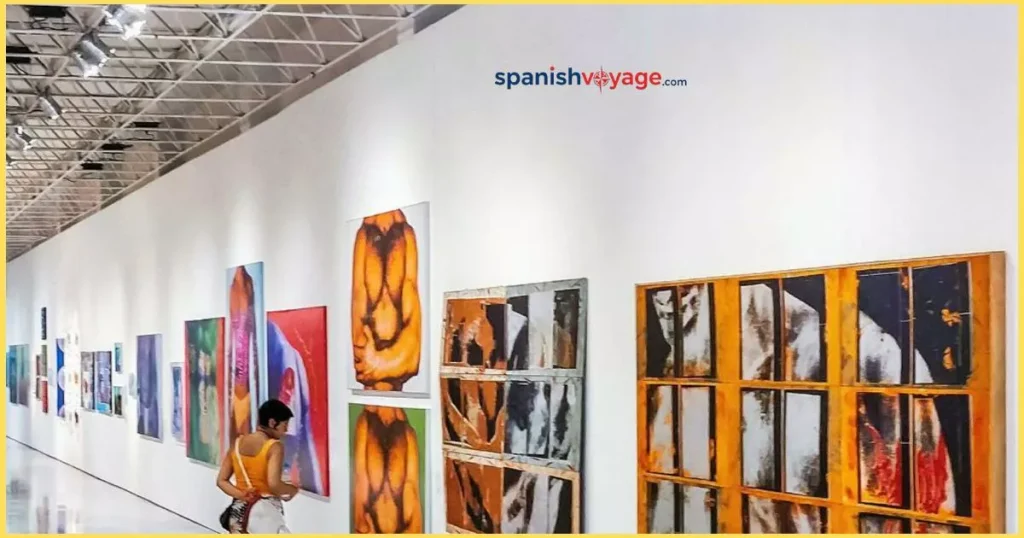
Tarragona is best known for its Roman amphitheatre, ancient walls and archaeological heritage. But the city also has an interesting modern artistic side, and the MAMT is a good way to see it.
Discover Modern Art in Tarragona. The museum sits in the Part Alta, the old upper town, on Carrer de Santa Anna. It aims to promote modern and contemporary art from the Tarragona region.
Explore Catalan Artists and Contemporary Collections. Its collection includes paintings by Catalan artists, along with changing temporary exhibitions of contemporary work.
Combine Art with Tarragona’s Roman Heritage. The museum is a short walk from the cathedral and the Roman sites, so it fits easily into a cultural day.
Plan a Cultural Day in Tarragona. The museum is closed on Mondays and has generally been free to enter, with longer hours on weekdays and shorter ones at weekends. Allow about an hour and a half. The museum has also been planning a move to a larger palace on the Passeig de Sant Antoni, so check its official website for the current location and opening status before you go.
7 Museums to Visit in Catalonia
| Museum | City | Main Attraction |
|---|---|---|
| MNAC | Barcelona | Romanesque and medieval art |
| Picasso Museum | Barcelona | Picasso’s early works |
| Fundació Joan Miró | Barcelona | Modern and abstract art |
| Dalí Theatre-Museum | Figueres | Surrealism |
| Girona Art Museum | Girona | Medieval Catalan art |
| Museum of the History of Catalonia | Barcelona | Regional history |
| MAMT | Tarragona | Modern art |
This selection is varied. It covers medieval collections, several modern art movements and regional history, and it spreads the visits across Barcelona, Figueres, Girona and Tarragona.
The 5 Best Hotels in Catalonia for a Cultural Holiday
These hotels are in different parts of Catalonia, so you can choose a base according to the museums you want to see. They are examples, not a ranking, so check 2027 rates and availability before you book.
1. Hotel Catalonia Magdalenes, Barcelona
Best for Barcelona museums. A boutique-style hotel on Carrer de les Magdalenes, in Barcelona’s old town, a short walk from the Gothic Quarter and well placed for the Picasso Museum, and a convenient metro or taxi ride from MNAC and the other attractions.
2. Hotel Boutique Casa Cacao, Girona
Best for a boutique cultural escape. A chocolate-inspired boutique hotel in a restored historic building in the heart of Girona’s old town, with a rooftop terrace with city views. It is a couple of minutes on foot from the Onyar River and close to the cathedral and the Girona Art Museum. It is run by the family behind the famous El Celler de Can Roca restaurant.
3. H10 Imperial Tarraco, Tarragona
Best for Roman history. A four-star superior hotel on Rambla Vella, a stone’s throw from the Roman Amphitheatre, with sea views, a rooftop pool, a spa and a garden. It is a convenient base for exploring Tarragona’s archaeological heritage and the MAMT.
4. La Bionda Hotel, Begur, Costa Brava
Best for a romantic getaway. An adults-only boutique hotel with eight rooms in a 17th-century building in the heart of Begur, with a rooftop solarium. It is ideal for couples who want to combine cultural visits with the beaches and villages of the Costa Brava.
5. Gran Hotel Mas d’en Bruno, Priorat
Best for luxury countryside stays. A peaceful boutique hotel with 24 suites set among the vineyards of the Priorat, with a spa that has indoor and outdoor pools. A good option if you want to extend your Catalonia trip into wine country.
How to Plan a Museum Trip Around Catalonia
How Many Days Do You Need to Visit Catalonia’s Museums?
Three to five days is enough for the main museums in Barcelona plus a day each in Girona and Figueres. Add another day for Tarragona.
Can You Visit Barcelona’s Main Museums in Two Days?
Yes. Spend one day on Montjuïc with MNAC and the Fundació Joan Miró, and the other in El Born and Port Vell with the Picasso Museum and the Museum of the History of Catalonia.
How to Visit the Dalí Theatre-Museum from Barcelona
Take a train to Figueres, then walk or take a short taxi ride to the museum. Book timed tickets in advance in summer, and allow about two hours.
Exploring Girona and Figueres in One Trip
Girona and Figueres are close together by train, so you can visit both in one long day or spend a night in Girona.
Combining Tarragona’s Museums with Roman Monuments
Visit the Roman sites in the morning and the MAMT in the afternoon, when the day is hot.
Best Time to Visit Museums in Catalonia
Spring has mild weather and is a pleasant time for walking between sights.
Summer is busy and hot, so museums are a welcome break from the heat. Book popular tickets early.
Autumn brings comfortable weather and fewer crowds.
Winter is quiet and good for museums, though some may have shorter hours.
How to Travel Between Museums in Catalonia
Travelling from Barcelona to Girona by Train
High-speed trains take around 40 minutes, and regional trains take about an hour and a half.
Visiting Figueres by Train
Figueres is about an hour from Barcelona on the fastest trains, and a short ride from Girona.
Getting from Barcelona to Tarragona
Regional trains take just over an hour, from Barcelona Sants to Tarragona station.
When to Rent a Car for Museum Trips
You do not need a car for the main cities. A car helps if you want to visit places like Begur and the Priorat.
Tips for Visiting Museums in Catalonia
Book Popular Museum Tickets in Advance
Do this for the Picasso Museum, the Dalí Theatre-Museum, and any special exhibitions.
Check Opening Hours and Temporary Closures
Most museums close one day a week, often Monday, and hours change by season.
Look for Combined Tickets and Museum Passes
Combined tickets and passes can save money if you visit several museums.
Take Advantage of Free Admission Days
Several museums offer free entry on certain afternoons or the first Sunday of the month. Check each museum’s website.
Allow Enough Time to Explore Each Collection
Small museums take one to two hours, and larger ones take two to three hours or more.
Frequently Asked Questions About Museums in Catalonia
What are the best museums in Catalonia? MNAC, the Picasso Museum, the Fundació Joan Miró, the Dalí Theatre-Museum, the Girona Art Museum, the Museum of the History of Catalonia and the MAMT are among the best.
What is the most famous museum in Catalonia? It depends on your interests, but the Picasso Museum and the Dalí Theatre-Museum are among the best known.
Is the Dalí Theatre-Museum worth visiting? Yes. It is one of the most unusual museums in Spain and an experience in its own right.
Which museums should you visit in Barcelona? MNAC, the Picasso Museum, the Fundació Joan Miró and the Museum of the History of Catalonia are good choices.
Are there good history museums in Catalonia? Yes. The Museum of the History of Catalonia in Barcelona is a good introduction, and Tarragona and Girona have their own historical collections.
How many museums are there in Catalonia? There are hundreds across the region, covering art, history, science,ce and local traditions.
Can you visit the Picasso and Miró museums in one day? Yes, but they are in different parts of Barcelona, so plan your route.
What is the best museum for learning about Catalan history? The Museum of the History of Catalonia.
Are museums in Catalonia free on certain days? Many offer free entry at certain times, such as the first Sunday of the month, but rules vary.
Which city in Catalonia has the best museums? Barcelona has the widest choice, but Girona, Figueres and Tarragona each have something special.
Catalonia is more than sunny beaches, charming villages and beautiful architecture. It is also a place where history lives inside ancient buildings, where paintings tell stories of another time and where artists have turned imagination into something unforgettable. From the medieval treasures of Girona to the surrealist world of Dalí and the art collections of Barcelona, every museum offers a different reason to explore this remarkable region. Whether you love art, history, or are simply curious about Catalan culture, these seven museums are a wonderful starting point for your next trip.