Top Attractions in Tarragona for First-Time Visitors
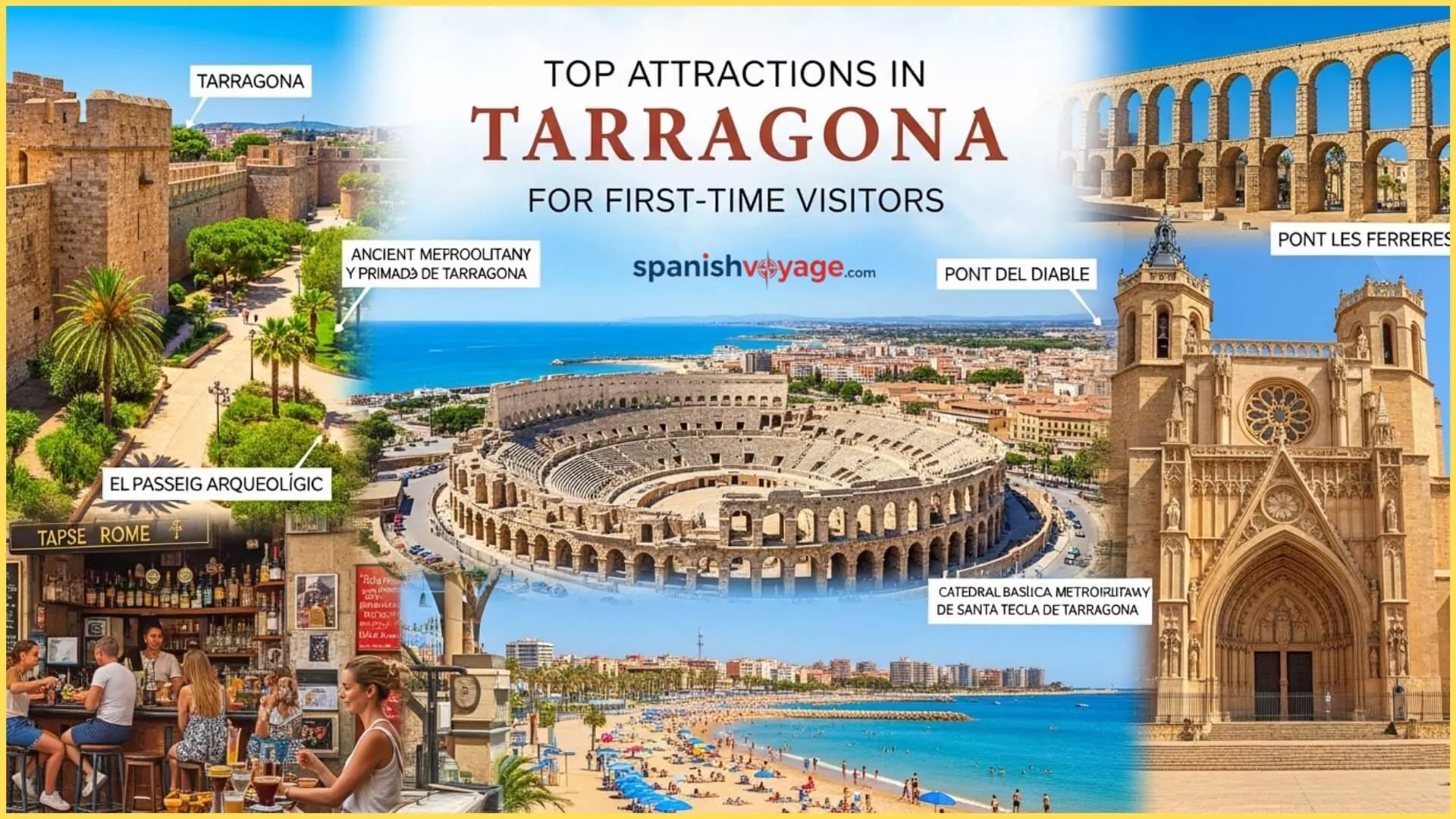
Tarragona is one of those places that kind of sneaks up on you. At first, you might think of it as just another coastal city in Catalonia, but once you get there, you realize it has a lot going on in a pretty compact space. You’ve got Roman ruins, medieval streets, sea views, a fishing district, and even a beach close enough for a quick dip after sightseeing. Not bad for one city, right? The Roman Amphitheatre, Cathedral, and other Tarraco monuments are also part of the city’s UNESCO-listed archaeological ensemble, which helps explain why Tarragona feels so special.
Why Tarragona is great for a first visit
What makes Tarragona especially easy for first-time visitors is that the main sights are close together and very walkable. You can spend the morning exploring major Roman sites, wander through the old town by lunch, and still have time for seafood or the beach later in the day. It works really well as a day trip, but honestly, it’s even better if you can stay two or three days and enjoy it at a slower pace.
Another reason people love it? It doesn’t feel overly touristy. Tarragona has real local character, especially in places like Part Alta and El Serrallo, so it feels like a living city, not just an open-air museum.
1. Roman Amphitheatre
If you only know one image of Tarragona, it’s probably this one. The Roman Amphitheatre sits right by the sea, and that setting alone makes it unforgettable. Ancient stone seats, blue Mediterranean behind it, and that dramatic “wow, this is actually real” feeling — yeah, it’s a strong start to the day. The official tourism site lists it as part of the Museu d’Història de Tarragona, and opening hours vary by season, with the monument generally closed on Mondays.
The amphitheatre is one of the city’s headline Roman sites, and it’s the obvious first stop for first-time visitors. Go early if you can. The light is better, it’s quieter, and you’ll get that classic Tarragona view without too many people wandering into your photo.
2. Tarragona Cathedral
From the amphitheatre, it makes sense to head uphill into the old town toward the cathedral. It sits at the highest point of the city, on a site linked to Tarragona’s long religious history, and the building itself mixes Romanesque and Gothic styles. The cathedral’s official site also notes that visitors can explore the cloister, medieval art collection, and Roman remains around the monument.
Even if you’re not usually a “let’s visit every church” kind of traveler, this one is worth it. The square outside is beautiful, the façade is impressive, and the cloister is one of those quiet corners that make you want to slow down for a bit. According to the cathedral’s official visitor page, the cloister and museum require a ticket, and prices and hours change seasonally.
3. Roman Circus and Praetorium
The amphitheatre may get all the postcard glory, but the Roman Circus and Praetorium are probably the sites that surprise people most. The circus was built for horse and chariot races, and Tarragona’s example was huge, about 325 meters long and with space for around 30,000 spectators, according to Tarragona Turisme. What makes it extra interesting is that much of it survives under the modern city, so visiting it feels a bit like discovering a hidden Roman world under the streets.
The Praetorium tower adds another nice bonus: views. After walking through the underground passages, you can climb up and get a much better sense of how Roman, medieval, and modern Tarragona all overlap in the same area. Combined tickets are available through the city’s heritage system, and the municipal ticket page lists a joint ticket covering several sites as a better-value option than paying separately.
4. Balcó del Mediterrani
At the end of Rambla Nova, you get one of the best viewpoints in the city: the Balcó del Mediterrani. This is where people naturally stop, lean on the railing, and do absolutely nothing for a few minutes except stare at the sea. Honestly, that’s part of the experience.
From here, you can take in the coastline, the port area, and the bluff that gives Tarragona its dramatic position above the water. It’s also a handy place to get your bearings before continuing down toward the beach or back into the old town.
5. Rambla Nova
Rambla Nova is the city’s main promenade and a very easy place to spend time without trying too hard. It’s wide, lined with trees, shops, and café terraces, and it leads naturally toward the Balcó del Mediterrani. If Part Alta is where you go for history and atmosphere, Rambla Nova is where you go to stroll, sit down, and watch everyday life go by.
One of the landmarks here is the Monument als Castellers, which celebrates Catalonia’s human tower tradition. It’s a nice reminder that Tarragona isn’t only about Roman ruins. It’s also a very Catalan city with living traditions and a strong local identity.
6. Part Alta and the old town squares
Part Alta is one of the most enjoyable parts of Tarragona, especially for a first visit. This is the old town, and the best way to see it is by wandering without being too strict about the route. The streets are narrow, the buildings are layered with history, and every few minutes you seem to come across another square that makes you want to stop for a coffee.
A few squares stand out:
- Plaça de la Font is lively and full of terraces.
- Plaça del Fòrum, where Roman remains blend into the street.
- Plaça del Rei, right by the Praetorium, has a strong mix of Roman and medieval atmosphere.
This part of the city really gives Tarragona its personality. It’s not just “see monument, take photo, move on.” It’s the sort of place where you enjoy the spaces in between.
7. Roman Walls and Passeig Arqueològic
If you want a quieter Roman site, the Passeig Arqueològic is a great choice. It runs alongside Tarragona’s ancient walls, which are among the oldest Roman fortifications in the western Mediterranean and form part of the city’s archaeological heritage. It’s a calmer experience than the amphitheatre or circus, and that’s exactly why some people end up loving it.
You get a closer look at the stonework, a more relaxed walking route, and a better feel for the scale of ancient Tarraco. The municipal ticket page lists the Passeig Arqueològic as part of the joint heritage ticket, so it’s easy to include if you’re already visiting the main Roman monuments.
8. El Serrallo
After all the ruins and uphill walking, El Serrallo feels like a reward. This is Tarragona’s traditional fishing district, and it has a more local, everyday vibe than the historic center. You’ll find boats, waterfront restaurants, and a slower pace that makes it a great lunch or early dinner stop.
If you like seafood, this is the place. And yes, trying romesco with fish is a very good idea. No need to overthink it. Just find a restaurant by the water, order something fresh, and enjoy the fact that your sightseeing day has suddenly become much tastier.
9. Tarragona’s beaches
A lot of people don’t expect Tarragona to work as a beach city too, but it does. Platja del Miracle is the easiest option for visitors because it’s right below the historic center and close to the amphitheatre, making it simple to combine sightseeing and sea time in the same day. That mix is one of Tarragona’s biggest strengths.
So yes, you really can spend the morning with Roman ruins and the afternoon with your feet in the sand. That’s a pretty solid travel combo.
Easy one-day itinerary
If you only have one day, here’s a simple plan that works well:
- 9:00–10:30: Start at the Roman Amphitheatre.
- 10:30–12:30: Walk up to Part Alta and visit the Cathedral and nearby squares.
- 12:30–13:30: Explore the Roman Circus and Praetorium.
- 13:30–15:00: Lunch in El Serrallo.
- 15:00–16:30: Walk the Passeig Arqueològic and Roman walls.
- 16:30–17:30: Stroll Rambla Nova and finish at the Balcó del Mediterrani.
- Optional: Head down to Platja del Miracle if the weather is nice.
It’s full, but it’s very doable because the city center is compact and the main sights connect naturally on foot.
Practical tips
A few things make the visit easier:
Wear comfortable shoes because Tarragona has slopes, stone streets, and plenty of walking.
Buy a combined heritage ticket if you plan to visit several Roman sites, since the city offers a joint ticket for multiple monuments.
Check official opening hours before you go, because the amphitheatre, cathedral, and other monuments use seasonal schedules.
Spring and early autumn are especially good times to visit because sightseeing is more comfortable than in peak summer.
If possible, stay longer than one day. Tarragona is easy to “do” in a day, but it’s better when you can slow down a bit.
Best attractions at a glance
Tarragona is one of those rare cities where history, food, and seaside life all fit together really well. It’s easy to visit, easy to enjoy, and very easy to recommend.
What are the must-see attractions in Tarragona for first-time visitors?
The Roman Amphitheatre, Tarragona Cathedral, Roman Circus and Praetorium, and El Serrallo fishing district are the essential stops. Adding the Balcó del Mediterrani viewpoint and a walk through Part Alta rounds out a very complete first visit.
Is Tarragona worth visiting for one day?
Yes — Tarragona’s main attractions are close together and very walkable, making it one of the best day trip destinations in Catalonia. One full day is enough to see the highlights; two days allow a more relaxed experience.
What Roman ruins can you see in Tarragona?
Tarragona’s UNESCO-listed Roman heritage includes the amphitheatre, the circus (with underground vaults), the Praetorium tower, the Roman forum, ancient city walls, and a Roman necropolis — together forming one of the most complete Roman archaeological sites in Western Europe.
What is the best area to walk around in Tarragona?
Part Alta (the old town) is the most rewarding area for an on-foot exploration, especially around Plaça de la Font, Plaça del Fòrum, and the streets near the cathedral. The seafront walk from the Balcó del Mediterrani down toward El Serrallo is also excellent.
Can you combine beaches and sightseeing in Tarragona?
Absolutely. Platja del Miracle is just a short walk from the amphitheatre, and the broader seafront is easy to reach from the city center. A morning of Roman ruins followed by an afternoon at the beach is a perfectly natural Tarragona day.