10 Stunning Natural Landscapes to Visit in Spain in 2026
Spain has a lot more going for it than sangria, flamenco, and beach clubs—though those are definitely worth enjoying. If you haven’t ventured into its natural landscapes yet, you’re missing a whole different side of the country. Think dramatic volcanic terrain, ancient forests wrapped in mist, vast wetlands teeming with life, and mountain views that stop you in your tracks.
It’s actually one of the most biodiverse countries in Europe, and 2026 is shaping up to be a great time to explore it. With 16 national parks, numerous UNESCO-listed sites, and better eco-tourism options than ever, there’s never been a better excuse to get outdoors and start discovering.
So grab a coffee, settle in, and let’s explore the 10 most breathtaking natural landscapes to visit in Spain in 2026.
1. Cabo de Gata-Níjar Natural Park, Almería
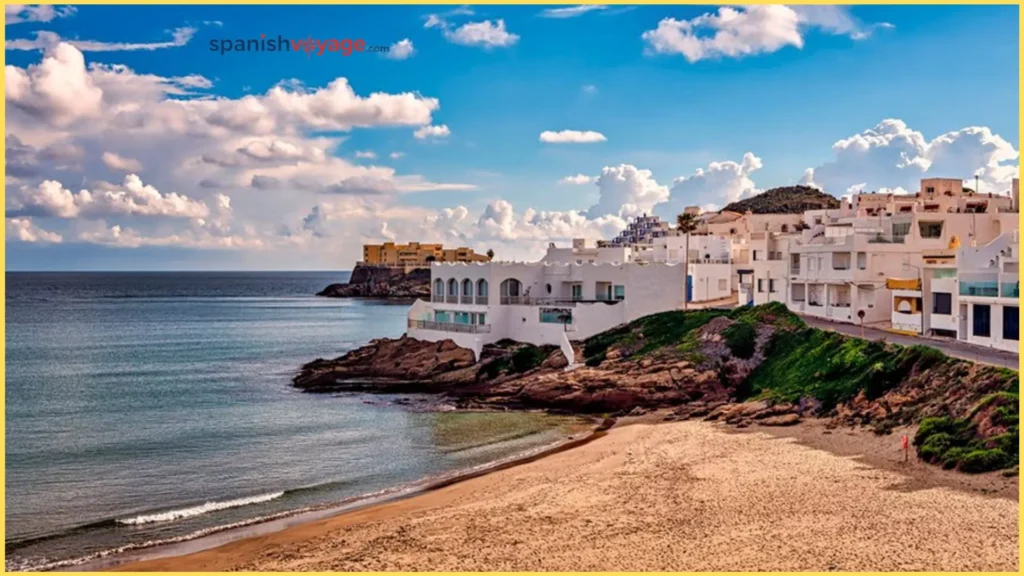
Let’s kick things off with something a little unexpected — a desert. In Spain. On the coast.
Yep, Cabo de Gata is the only place in mainland Europe with a true semi-arid desert climate, shaped by ancient volcanoes. The result? Dramatic black cliffs, hidden turquoise coves, and salt lagoons that look straight out of a nature documentary. It’s wild, raw, and honestly one of the most underrated places in all of Spain.
When to go: Spring or autumn. Summer is gorgeous but HOT — like, “why did I wear jeans” hot.
What to do:
Snorkel in secret coves like Cala del Plomo — the water is ridiculously clear
Hike the coastal trails at sunrise for epic photos
Drive out to the Las Salinas salt flats at dusk and watch the flamingos (yes, flamingos!)
2. Picos de Europa, Asturias/Cantabria/León
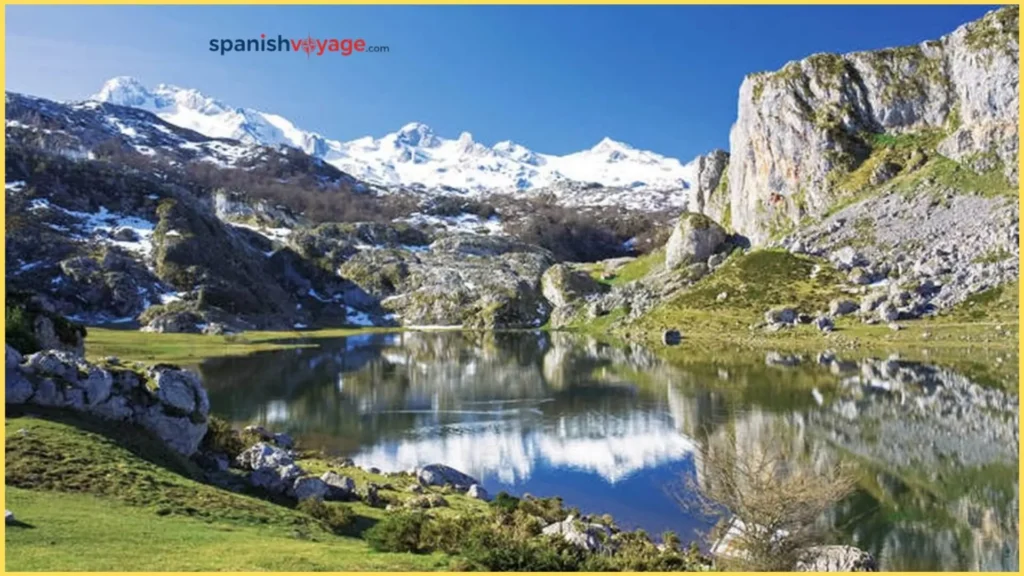
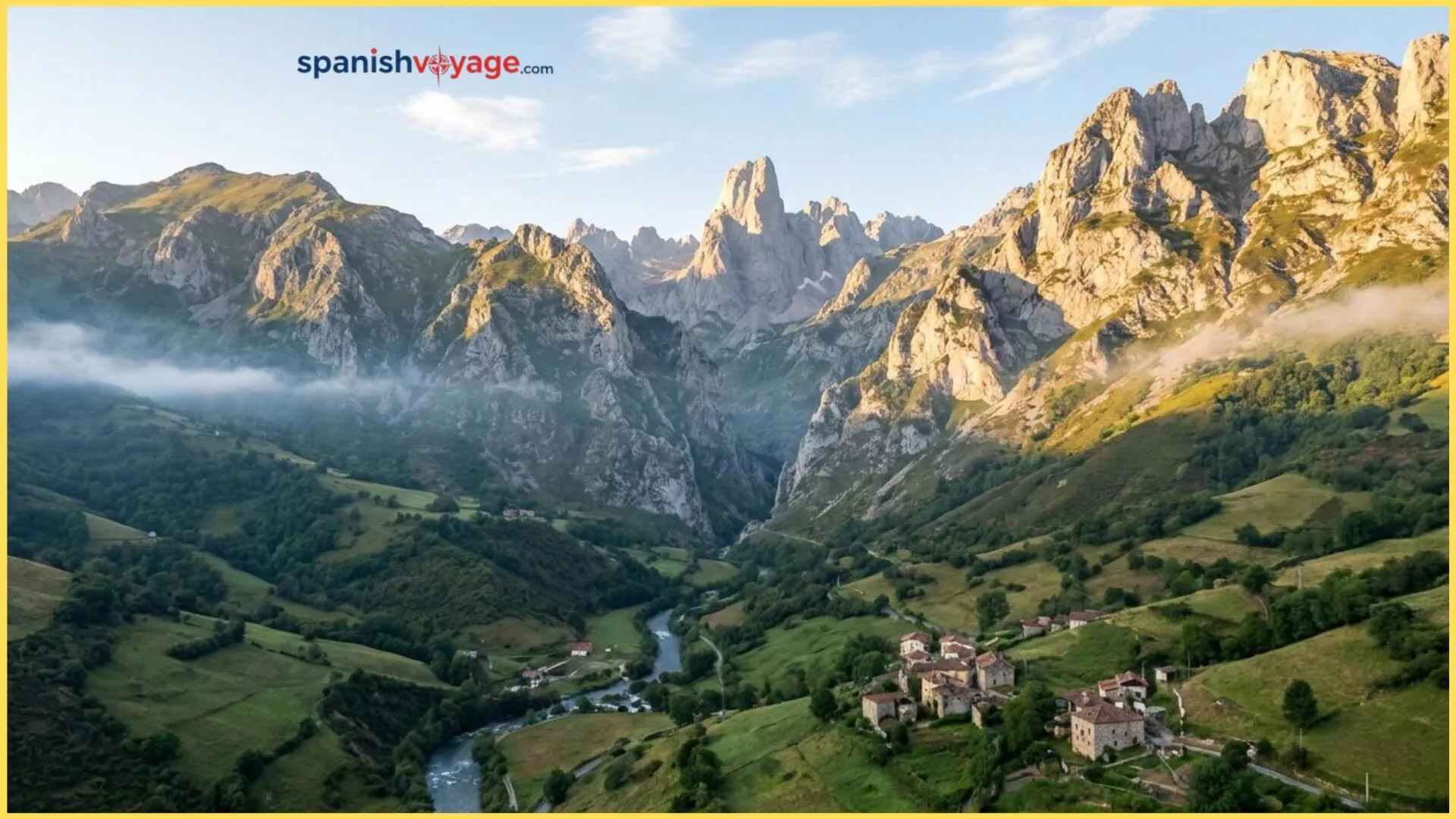
If you’re a mountain person, Picos de Europa will absolutely ruin you — in the best possible way. It was Spain’s very first national park (back in 1918!), and it’s still one of the most spectacular. Think towering limestone peaks, glacial lakes, deep gorges, and charming little stone villages that feel frozen in time.
Oh, and brown bears and wolves are roaming around in there. Casual.
When to go: May to August is ideal — trails are accessible, and the weather is gorgeous. Early October is also stunning with autumn colours.
What to do:
Hike the famous Ruta del Cares — it follows a gorge carved through the mountains, and it’s incredible
Take the cable car at Fuente Dé for lazy-but-epic mountain views
Try canyoning or river rafting if you’re feeling adventurous.
3. Doñana National Park, Andalusia
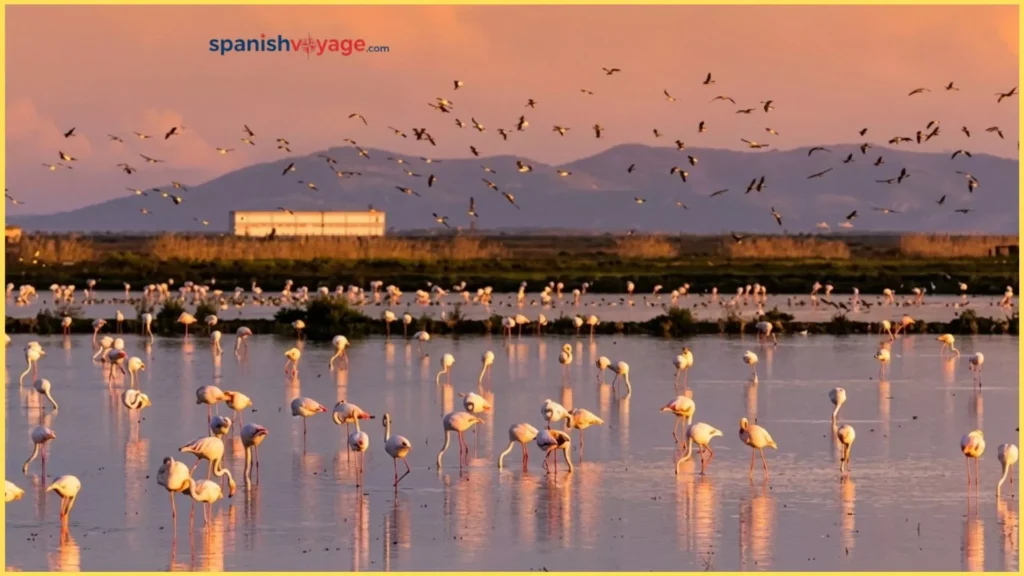
Wildlife lovers, this one’s for you. Doñana is Europe’s largest wetland and a UNESCO World Heritage Site — basically the Serengeti of Spain. Hundreds of migratory birds pass through here every year, and somewhere in those marshes and dunes lives the Iberian lynx, one of the rarest wild cats on Earth.
Honestly, just saying “I spotted an Iberian lynx” would be enough of a travel story for the rest of your life.
When to go: Autumn through spring (October–April). Summer is brutally hot, and the wetlands dry out, so don’t bother in July or August.
What to do:
Book a guided 4×4 safari — it’s the only way to access the really wild areas
Birdwatching during migration season is mind-blowing
Walk the El Acebrón boardwalk trail — easy, beautiful, and wildlife-packed
4. Ordesa y Monte Perdido, Huesca (Pyrenees)
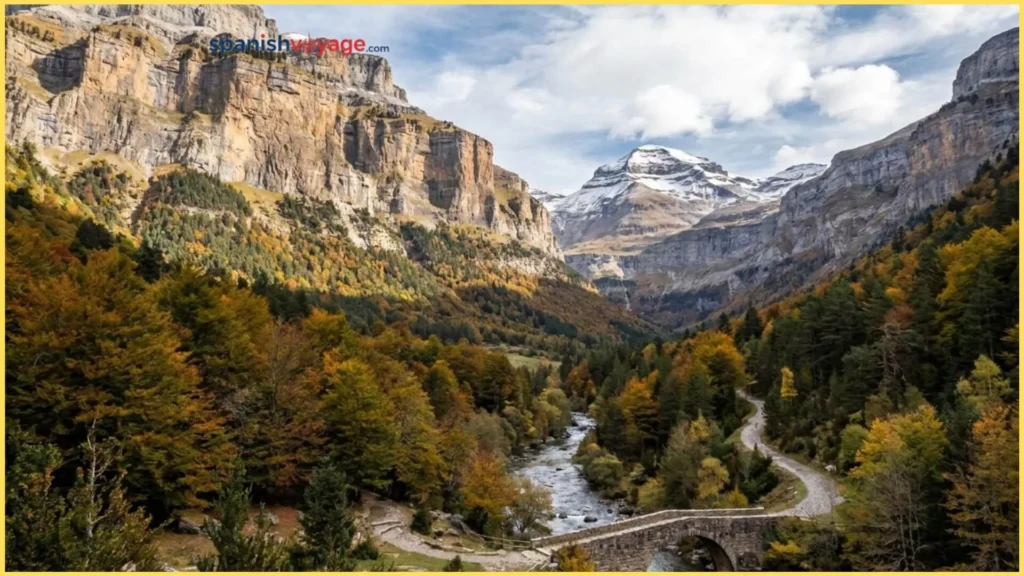
a massive glacial canyon, walls of stone shooting up hundreds of meters on either side, a waterfall crashing into the valley below, and a mountain peak over 3,000 meters towering above it all. That’s Ordesa. It’s genuinely one of those places where you stop mid-hike just to stand there and stare.
Another UNESCO World Heritage Site — Spain’s got a lot of those, and they’re all earned.
When to go: Summer (June–September). Trails can be snowed in outside that window.
What to do:
Hike the Ordesa Canyon trail — one of the most iconic walks in Spain
Photograph the Cola de Caballo waterfall — it’s as dramatic as it sounds
Keep an eye out for griffon vultures circling overhead (they’re huge and amazing).
5. Aigüestortes i Estany de Sant Maurici, Catalonia
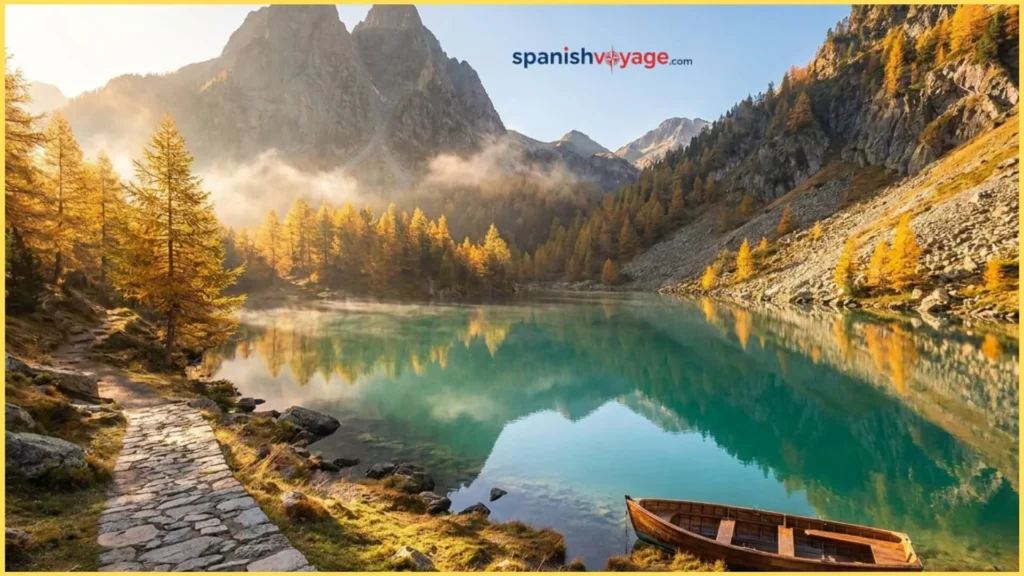
Fun fact: this is Catalonia’s only national park. And it does not disappoint. The name means “winding streams” in Catalan, and the park is absolutely packed with over 200 alpine lakes, ancient forests, and mountain scenery that feels like something out of a fantasy novel.
It’s a bit of a hidden gem compared to some of the others on this list, which means fewer crowds and more space to actually enjoy it.
When to go: July to October — the mountain huts (refugis) are open, and the high trails are accessible.
What to do:
Hike between the glacial lakes — seriously, 200+ lakes, you’ll never run out of things to explore
Stay overnight in a traditional mountain refuge for the full experience
Look out for otters, golden eagles, and, if you’re very lucky, the elusive Pyrenean desman
6. Bardenas Reales, Navarra
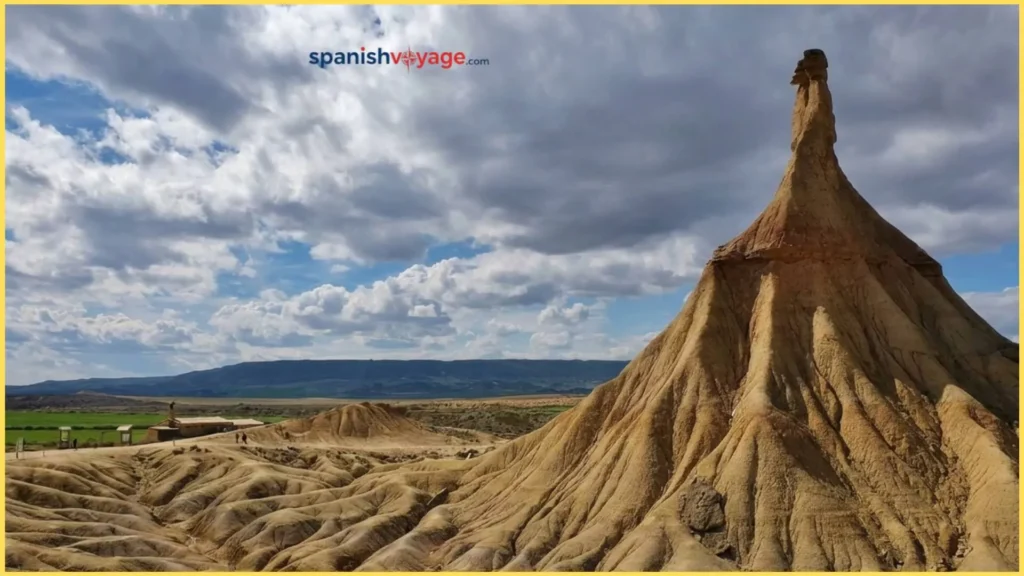
This one genuinely looks like another planet. Bardenas Reales is a semi-desert in northern Spain, which most people don’t even know exists — filled with dramatic eroded rock formations called cabezos, sweeping clay badlands, and a landscape so surreal that Game of Thrones filmed scenes here.
It’s a UNESCO Biosphere Reserve and one of the most photogenic places in all of Spain. If you’re into photography or just want a seriously unique road trip stop, put this on your list immediately.
When to go: Spring and autumn. The desert turns warm golden and ochre tones — absolutely stunning.
What to do:
Photography tours through the Bardena Blanca and Bardena Negra zones
Cycling or mountain biking on the marked routes
Stargazing at night — barely any light pollution out here
7. Timanfaya National Park, Lanzarote
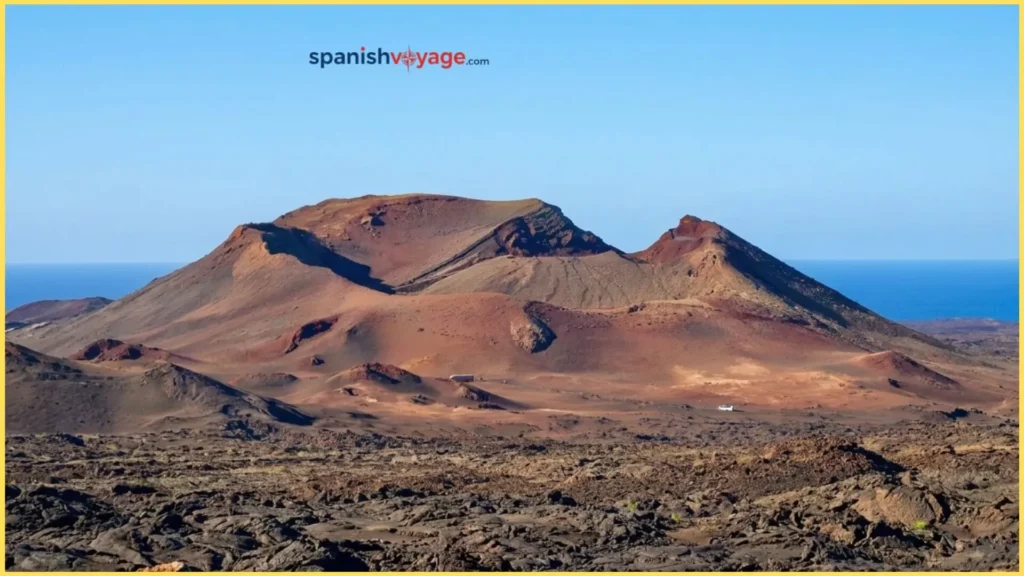
Timanfaya is just… not like anywhere else. It’s an entire national park made of lava. Volcanic eruptions in the 18th century reshaped the entire landscape, leaving behind vivid red and orange craters, hardened lava fields, and geothermal vents that are still active today.
The coolest part? The ground is so hot just a few centimetres below the surface that they actually cook food with it at the park’s restaurant. You literally eat a meal powered by a volcano. That’s not a metaphor.
When to go: Any time of year, Lanzarote’s climate is mild and pleasant in every season.
What to do:
Take the guided bus tour through the Montañas del Fuego (Mountains of Fire)
Go for a camel ride across the volcanic terrain, yes, really
Have lunch at El Diablo restaurant, where your food is cooked by geothermal heat
8. Garajonay National Park, La Gomera
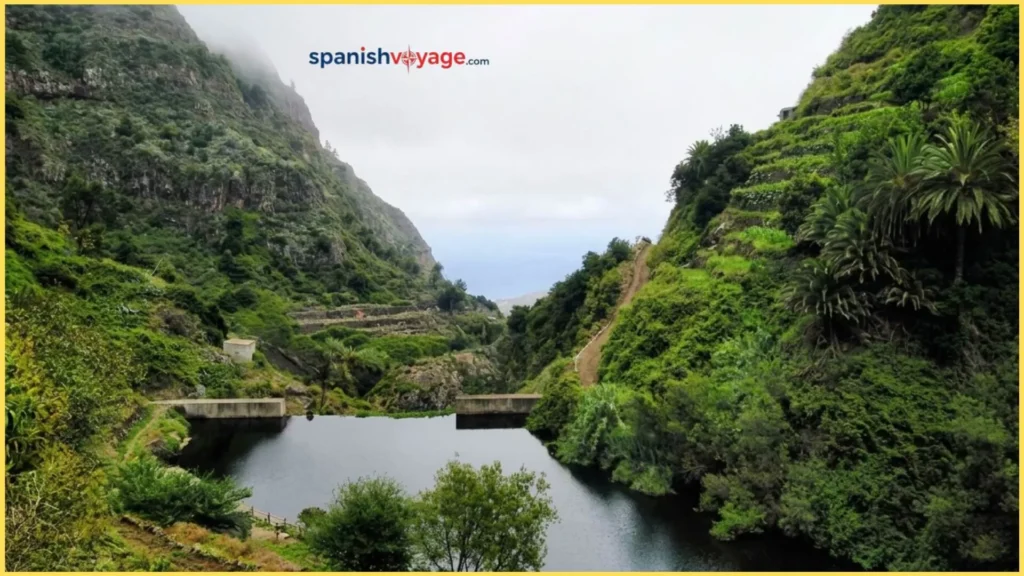
This one is genuinely magical — like stepping into a fairy tale. Garajonay is a prehistoric laurel forest on the island of La Gomera in the Canary Islands, and it’s unlike anything you’ve ever seen. The trees are ancient, twisted, and draped in moss, and the mist hangs low between the ravines like something out of a Tim Burton film.
It’s a UNESCO World Heritage Site and one of the last surviving forests of its kind in the world — this exact type of forest once covered most of southern Europe millions of years ago.
When to go: Year-round — the mist and greenery make it atmospheric in every season.
What to do:
Hike the network of ancient stone paths through the forest
Birdwatch for the endemic Bolle’s pigeon and Laurel pigeon
Combine with a coastal drive around La Gomera — the contrast is stunning
9. Cathedrals Beach (Playa de las Catedrales), Lugo, Galicia
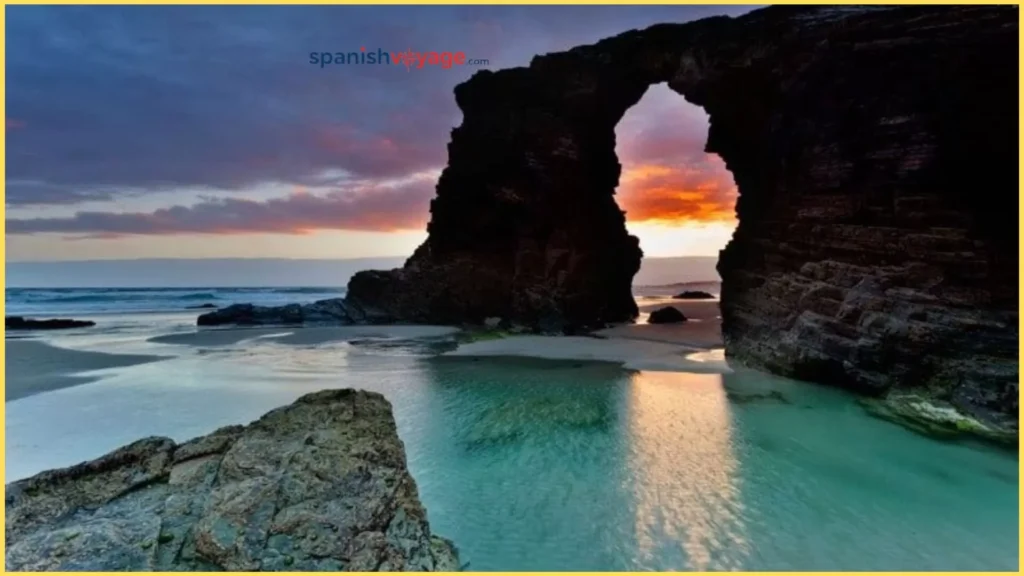
The name says it all, honestly. At low tide, the Atlantic Ocean reveals a series of enormous stone arches, caves, and buttresses carved by thousands of years of waves — and they genuinely look like the vaulted ceilings of Gothic cathedrals. It’s one of the most dramatic and beautiful natural spots in Spain.
The catch? You need to time your visit with low tide, and in summer, you’ll need to book a free reservation in advance. But trust me, it’s absolutely worth the planning.
When to go: Spring and summer (April–September) during low tide. Check the tide schedule before you go — this is non-negotiable!
What to do:
Walk through the arches and explore the sea caves at low tide
Bring your camera — golden hour here is chef’s kiss
Hike the nearby coastal section of the Camino de la Costa
Heads up: Free reservations are required from June to September. Book via the official Galicia tourism website.
10. Sierra Nevada, Andalusia
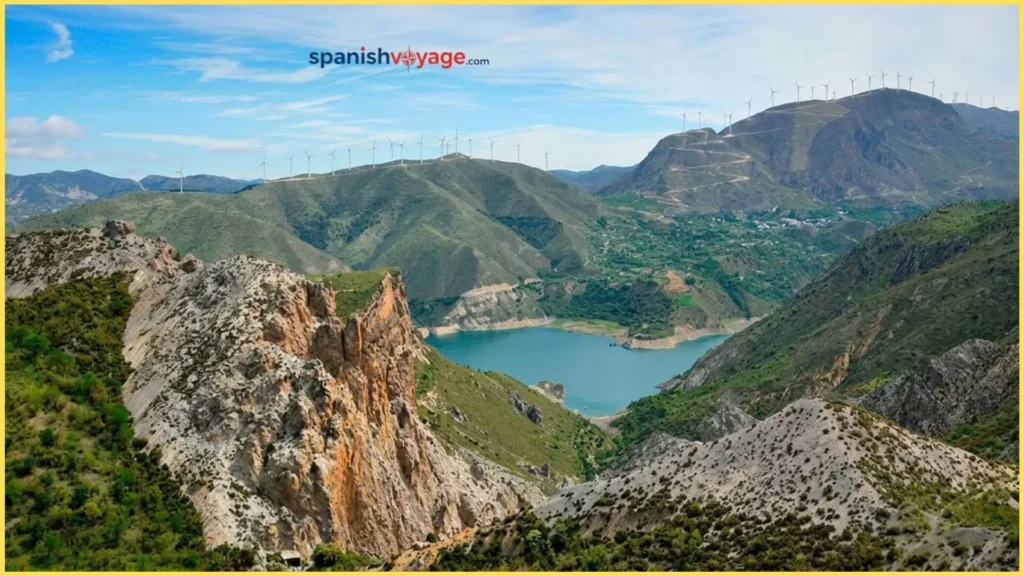
Last but definitely not least — Sierra Nevada is home to Mulhacén, the highest peak in mainland Spain at 3,479 meters. In winter, it’s a proper ski resort. In summer, it’s a wildflower paradise. And at night, it’s one of the best places in Europe to stargaze, thanks to its Dark Sky certification.
Basically, Sierra Nevada is the park that does it all. Whatever season you visit, there’s something incredible waiting for you.
When to go: Winter for skiing (December–March), summer for hiking and wildflowers (June–September).
What to do:
Hit the slopes at Pradollano — it’s Europe’s southernmost ski resort and genuinely great
Hike to the Mulhacén summit in summer — it’s a long day but one of the most rewarding walks in Spain
Stargaze on a clear night — the sky here is absolutely insane.
Map of Spain’s Natural Landscapes 2026
| Location | Region |
|---|---|
| Cabo de Gata-Níjar | Almería |
| Picos de Europa | Asturias/Cantabria/León |
| Doñana National Park | Huelva, Andalusia |
| Ordesa y Monte Perdido | Huesca, Aragón |
| Aigüestortes | Lleida, Catalonia |
| Bardenas Reales | Navarra |
| Timanfaya | Lanzarote |
| Garajonay | La Gomera |
| Cathedrals Beach | Lugo, Galicia |
| Sierra Nevada | Granada, Andalusia |
Quick Tips Before You Go
A few things that’ll save you headaches on the road:
Book permits early — Cathedrals Beach, Ordesa, and parts of Doñana all require reservations during peak season. Don’t skip this step.
Best months overall: April–June and September–October. Fewer tourists, great weather, active wildlife. Win-win-win.
Pack layers — no joke. Sierra Nevada and Aigüestortes can be chilly even in summer, while Cabo de Gata will have you melting in April.
Go early or late in the day — sunrise and sunset visits not only dodge the crowds but give you the best light for photos.
Check park websites before you travel — some parks have 2026-specific trail restrictions or conservation closures.
FAQs
What’s the most beautiful natural landscape in Spain?
Honestly, impossible to pick just one. But Picos de Europa and Aigüestortes consistently top the lists — and if you go, you’ll understand why immediately.
Does Spain actually have deserts?
Yes! Two of them — Cabo de Gata in Almería and Bardenas Reales in Navarra. Both are stunning, both are very un-Spanish in the best possible way.
Best park for wildlife?
Doñana, hands down. Iberian lynx, flamingos, eagles, hundreds of migratory birds — it’s basically Spain’s answer to a safari park.
Is Spain good for nature travel in 2026?
Are you kidding? Spain has 16 national parks, dozens of UNESCO Biosphere Reserves, and landscapes ranging from volcanic islands to Pyrenean peaks. It might be the best nature destination in all of Europe right now.
Do I need permits?
For some parks and specific trails, yes. Cathedrals Beach in summer, Ordesa Canyon on busy weekends, and guided safari access in Doñana all need booking. Always check before you go!