Where to Stay in Gràcia: Barcelona Without the Tourist Chaos
If you’ve done the Las Ramblas thing, dodged selfie sticks at the Gothic Quarter, and watched cruise-ship crowds swallow Barceloneta whole, you need Gràcia in your life. It’s the Barcelona that locals actually live in, and it’s honestly kind of wonderful.
Why Even Bother with Gràcia?
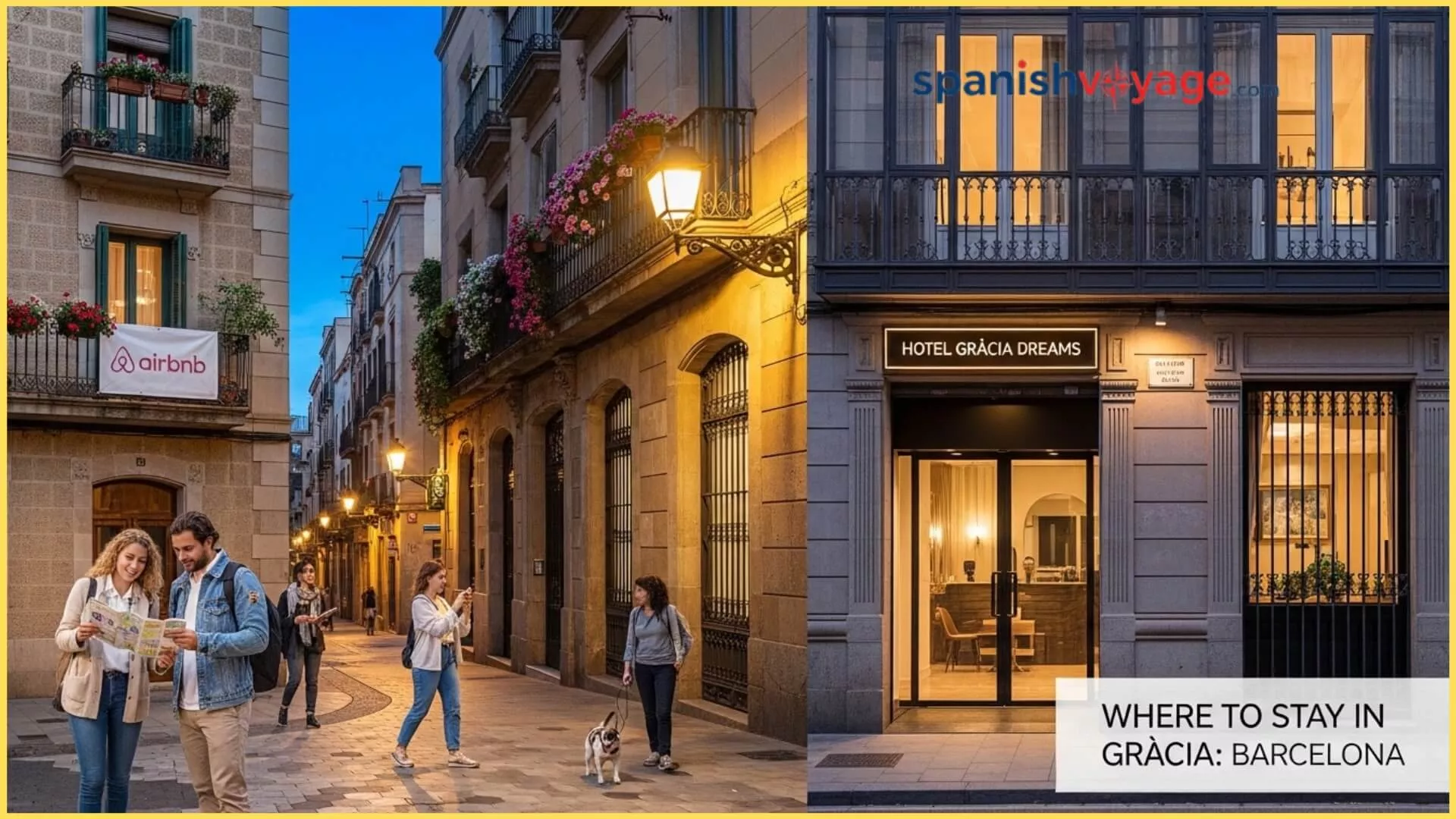
Here’s the short version: Gràcia used to be its own independent village before Barcelona absorbed it in the late 19th century. And honestly? It never got over it — in the best possible way. The neighborhood still has that stubborn “we do things our own way” energy. Locals shop at neighborhood markets, hang out on the plaças on weekday evenings, and basically just live their lives in the streets. You staying there for a few days is basically an open invitation to join that rhythm.
While the Gothic Quarter is playing whack-a-mole with overtourism every single day, Gràcia is still a place where locals genuinely outnumber visitors. You’ll find indie bookshops, family-run tapas bars, and vintage boutiques that haven’t been swapped for souvenir stalls yet. The bohemian, slightly hipster vibe feels real — not manufactured for Instagram.
Which Part of Gràcia Should You Stay In?
Good news: the whole neighborhood is pretty great. But here’s a quick breakdown depending on your vibe:
Vila de Gràcia — The heart of it all. Lively squares, packed restaurant terraces, good nightlife that leans toward “great cocktails and conversation” rather than “queueing outside a club.” Best if it’s your first time and you want to be in it
Camp d’en Grassot i Gràcia Nova — Quieter, more residential, families everywhere. Perfect if you’ve got kids or just want to decompress at the end of the day
La Salut — Right below Park Güell. Strategic gold if Gaudí’s park is on your list — staying here means you can stroll up early morning before the day-trippers roll in.
El Coll — Hillside, borders Collserola natural park, with an almost rural feeling. Accommodation is limited, but if you find something here, it’s pretty special.
Where to Actually Sleep
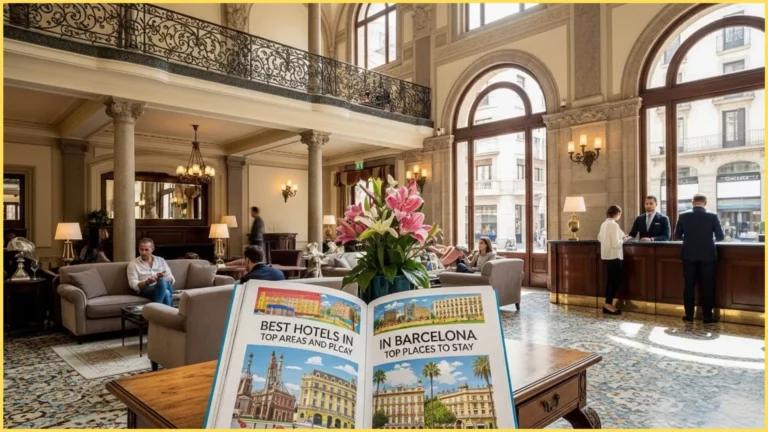
Boutique hotels are your main option here — Gràcia doesn’t really do big chain hotels, which is part of the appeal. Think exposed brick, tiled floors, rooftop terraces with views over the neighborhood. Prices start around €110–€173/night. Peak prices hit around €306/night in June, then drop back down in winter to around €181–€190.
A couple of standouts worth knowing:
- Casagrand Luxury Suites — Modern apartments with rooftop access, just 550m from La Pedrera
- Hotel Casa Fuster — A stunning Modernista building right at the top of Passeig de Gràcia, right on the Gràcia/Eixample border
Apartments are arguably even better here, though. The building stock is gorgeous — 19th-century Catalan townhouses with high ceilings, wooden beams, and balconies over quiet streets. For a week or longer, renting an apartment unlocks full local-life mode: morning coffee run, picking up fresh produce at Mercat de l’Abaceria, evening walk to the plaza. Yes please.
On a budget? Casa Gracia is a beautifully designed modern hostel with both dorms and private rooms, and a great social atmosphere. Pensions near Plaça del Sol are also solid — simple, clean, and cheaper than anything comparable in Eixample.
The Daily Vibe
A typical morning in Gràcia goes something like: coffee and pa amb tomàquet at a neighborhood café, maybe a swing by Mercat de l’Abaceria on Travessera de Gràcia to grab something for lunch. The neighborhood has a strong creative community — artists, musicians, writers — so there’s a culturally rich energy that goes beyond just eating and drinking.
For food, the restaurant scene rewards wandering. Contracorrent Bistró on Carrer Sant Domènec is a local favorite for modern Catalan cooking. La Brillantina on Carrer de Bretón de los Herreros does Latin American food, cocktails, and natural wines in a cozy setting. And the café culture here is chef’s kiss — third-wave coffee shops sit next to old-school granjas that have been serving chocolate and churros for decades.
Nightlife is social, not chaotic. Bars like La Cigale, Tournesol, and tapas spots along Carrer de Verdi are the vibe — lingering over drinks, good conversation, and friendly service. Want to dance until 5 am? Port Olímpic exists for that. Gràcia is not that place, and honestly, that’s fine.
Getting Around Is Easier Than You Think
Gràcia sits right above Eixample, so it’s extremely well connected. Metro Line 3 (green) stops at Fontana and Lesseps, Line 4 (yellow) hits Joanic. Get a T-Casual 10-trip card for the best value.
But honestly? You’ll probably just walk everywhere. Here’s a rough cheat sheet:
| Attraction | How to Get There | Approx. Time |
|---|
| Attraction | How to Get There | Approx. Time |
|---|---|---|
| Park Güell | Walk | ~10–15 min |
| La Pedrera / Casa Batlló | Walk downhill | ~20 min |
| Sagrada Família | Metro (L3 + L5) | ~20 min |
| Gothic Quarter | Metro or walk | ~25–35 min |
| Barceloneta Beach | Metro | ~30 min |
| Camp Nou | Metro | ~30–35 min |
The downhill walk toward the city center is genuinely pleasant — the uphill return is the only mild grumble.
Quick Tips Before You Book
Book early for summer. Gràcia has fewer options than central Barcelona, so desirable places fill up fast — especially in August during Festa Major week, when residents compete to decorate their streets most elaborately (it’s one of Barcelona’s best local events, by the way)
Check the exact address. Some listings on booking platforms labelled “Gràcia” are actually in the upper Eixample — always verify on a map
Avoid main-road rooms on Carrer Gran de Gràcia or Travessera de Gràcia if noise bothers you — the quieter side streets are significantly nicer.
Air con is non-negotiable in July and August. Make sure it’s listed in the apartment description.
So… Is Gràcia Right for You?
Honestly, Gràcia suits almost everyone except the person doing a 24-hour sprint through Barcelona, hitting every major landmark in sequence — in that case, the Gothic Quarter makes more sense logistically.
For literally everyone else? It’s a great call. Especially if you’re staying 3+ nights, you’re a repeat Barcelona visitor who’s already done the main sights, you’re traveling with family and want quieter streets, or you just genuinely want to experience the city the way people who actually live there do. It’s not a compromise — it’s an upgrade.