Spain Travel Rules 2026: What You Need to Know
Planning a trip to Spain in 2026? Good news: it’s still one of the easiest and most exciting places to visit in Europe. But yep, there are a few new travel rules you’ll want to know before you pack your sunglasses and book that beach hotel.
The biggest changes this year are mostly about border tech. Spain is still part of the Schengen Area, so a lot of the usual visa and passport rules stay the same. But now there’s more digital checking at the border, and a new travel authorisation system is on the way too. Nothing too scary — just the kind of stuff that’s better to know before you’re standing in an airport queue, wondering what’s going on.
First things first: passport rules
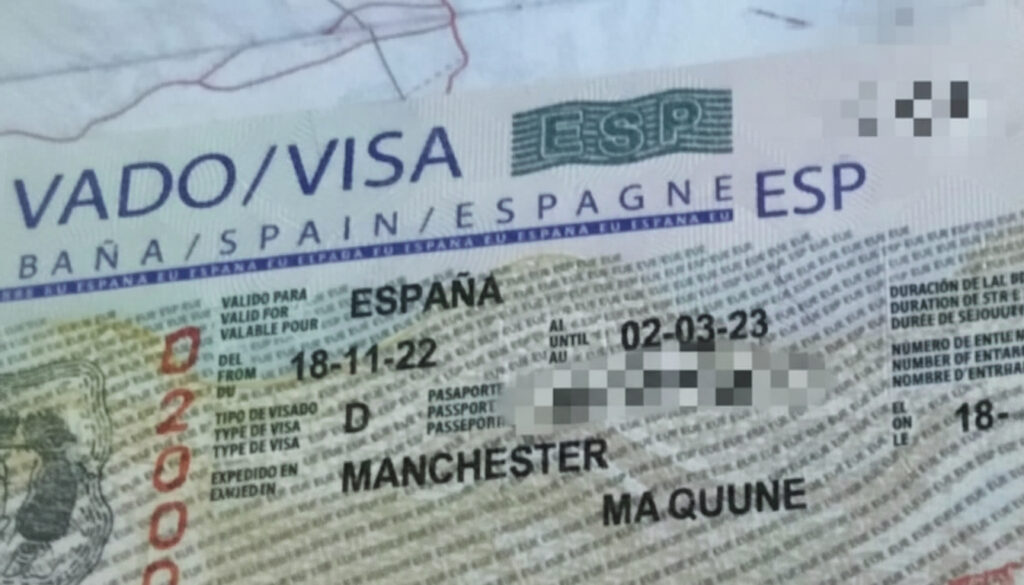
Make sure your passport is valid for at least 3 months after the day you plan to leave the Schengen Area. That part is super important.
There’s also another rule that catches people out: your passport must have been issued within the last 10 years. So even if it hasn’t technically expired yet, it could still be a problem if it’s too old.
And one more thing — bring the original passport, not a copy. A photocopy won’t save the day at border control.
Do you need a visa?
For many travellers, the answer is no. Citizens of countries like the US, UK, Canada, Australia, and most of Latin America can still enter Spain without a visa for short trips of up to 90 days within 180 days.
If your country is not on Spain’s visa-free list, you’ll need to apply for a Schengen short-stay visa, also called a Type C visa, through a Spanish consulate. This usually takes about 10 to 20 working days, though during busy periods it can take longer.
You’ll normally need:
- A valid passport.
- Travel insurance.
- Proof of where you’re staying.
- Proof that you have enough money for the trip.
ETIAS: the new travel authorisation
This is the one everyone keeps hearing about.
ETIAS is a new online travel authorisation for people who don’t need a visa. Think of it a bit like the US ESTA. It’s not a visa, and it doesn’t let you work or live in Spain. It’s just a pre-travel permission linked to your passport.
The important part: ETIAS has been delayed again and is now expected to start in the last quarter of 2026. Even then, there should be a 6-month grace period, so it likely won’t become mandatory until at least April 2027.
When it does launch, it should:
- Cost about €7.
- Be valid for 3 years or until your passport expires.
- Be linked electronically to your passport.
So if you’re travelling to Spain earlier in 2026, this probably won’t affect you yet.
The 90/180-day Schengen rule
This rule is simple once you get the hang of it, but it confuses loads of people.
If you’re visiting Spain without a visa, you can stay for up to 90 days in any rolling 180-day period across the whole Schengen Area. Not just Spain — all Schengen countries combined.
So if you spend:
- 30 days in Spain,
- 20 in France,
- and 40 in Italy,
That’s your 90 days used up. Game over for now. Time to leave Schengen and wait until enough days drop off your 180-day window.
Basically, Schengen works like one big travel zone, so hopping between member countries doesn’t reset the clock. Nice try, though.
EES: the new biometric border system
Now for the big 2026 change.
Spain has started using the EU Entry/Exit System, or EES. This replaces old-school passport stamping with a digital record of your entry and exit. If you’re a non-EU traveller, your fingerprints and facial image may be taken at the border.
Spain activated EES on 2 February 2026, earlier than many other EU countries. The goal is to test things before the busiest travel months. Full mandatory use across Spanish airports is expected by September 2026.
A few early technical issues have already popped up, including problems at Gran Canaria Airport. So if you’re flying into Spain in 2026, it’s smart to allow extra time at passport control. Border tech is great… when it behaves.
Health and insurance
There are no COVID-19 vaccination requirements to enter Spain in 2026.
That said, travel insurance is still strongly recommended. In some cases, it may also help prove that you can cover your stay financially. Your policy should ideally include:
- Medical emergencies.
- Hospital treatment.
- Repatriation.
If you’re from the EU or EEA, you can use your EHIC for emergency healthcare in Spain. If you’re from outside the EU, you’ll usually need travel insurance, or you’ll have to pay privately.
How much money do you need to show?
Spain can ask travellers to prove they have enough money for their stay.
For 2026, the official amount is:
- €122.10 per person, per day.
- Minimum total of €1,098.90 per person, no matter how short the trip is.
So yes, even if you’re only staying a few days, the minimum still applies. Border officers may ask to see:
- Recent bank statements.
- Cash.
- A credit card in your name.
Just saying “Don’t worry, I’ve got money” probably won’t impress anyone.
Documents you should carry
Even if they’re not always checked, it’s smart to have these ready:
- Proof of accommodation, like a hotel booking, rental confirmation, or invitation letter from your host.
- A return or onward ticket out of the Schengen Area.
- Travel insurance documents.
- Proof of funds.
Most travellers breeze through with no issues, but being organised can save you a lot of stress if someone does ask questions.
Customs and restricted items
If you’re arriving in Spain from outside the EU, here are the 2026 duty-free allowances:
Goods by air or sea: up to €430 per adult, or €150 for children under 15.
Tobacco: up to 200 cigarettes or 50 cigars.
Alcohol: up to 1 litre of spirits over 22%, plus 2 litres of wine.
Cash: anything over €10,000 must be declared.
Also, be careful with food. Meat, dairy, fruit, and vegetables from non-EU countries can face strict controls and may be taken away at the border.
If you’re carrying prescription medicine, bring a doctor’s note or a copy of your prescription. It makes life easier if anyone asks.
Rules for travellers from the US
US citizens can still travel to Spain without a visa for up to 90 days within a 180-day period.
You’ll need:
- A valid US passport.
- Proof of accommodation if requested.
- A return or onward ticket if requested.
- Proof of enough money for your stay, if requested.
Later in 2026, ETIAS is expected to open, but thanks to the grace period, it likely won’t be mandatory right away.
Rules for travellers from the UK
UK citizens are now treated as non-EU travellers, so the 90/180-day Schengen rule applies.
Your passport must:
- Be valid for at least 3 months after you leave Schengen.
- Have been issued within the last 10 years.
If you’re a UK resident in Spain with a TIE card under the Withdrawal Agreement, your situation is different, so make sure your residency documents are up to date for 2026.
Like US travellers, UK visitors will also need ETIAS eventually, but not immediately when it launches.
Travellers from other countries
If your nationality requires a Schengen visa, apply as early as possible through the Spanish consulate in your home country. Peak travel season can slow things down, and waiting until the last minute is never a fun hobby.
Multiple-entry visas may be available if you travel often. And depending on your country, you may face extra checks under updated EU monitoring rules for visa-free travel.
A few practical tips before you fly
Before heading to Spain, do yourself a favour and double-check:
- Your passport validity.
- Whether your nationality requires a visa.
- Whether ETIAS applies yet.
- Your hotel or accommodation confirmation.
- Your proof of funds.
- Your return ticket.
- Your insurance documents.
It’s not the most glamorous part of travel planning, sure. But sorting this stuff out before you leave means you can spend more time thinking about tapas, beaches, and whether one more pastry is really too many. It isn’t.