25 Things Not To Do When Visiting Andalucia
Andalucia is one of those places that grabs you fast. One minute you’re admiring a palace in Granada, the next you’re eating tapas in a tiny bar in Seville, wondering why you didn’t come sooner. It’s beautiful, lively, full of history, and honestly, the food alone is enough reason to book the trip.
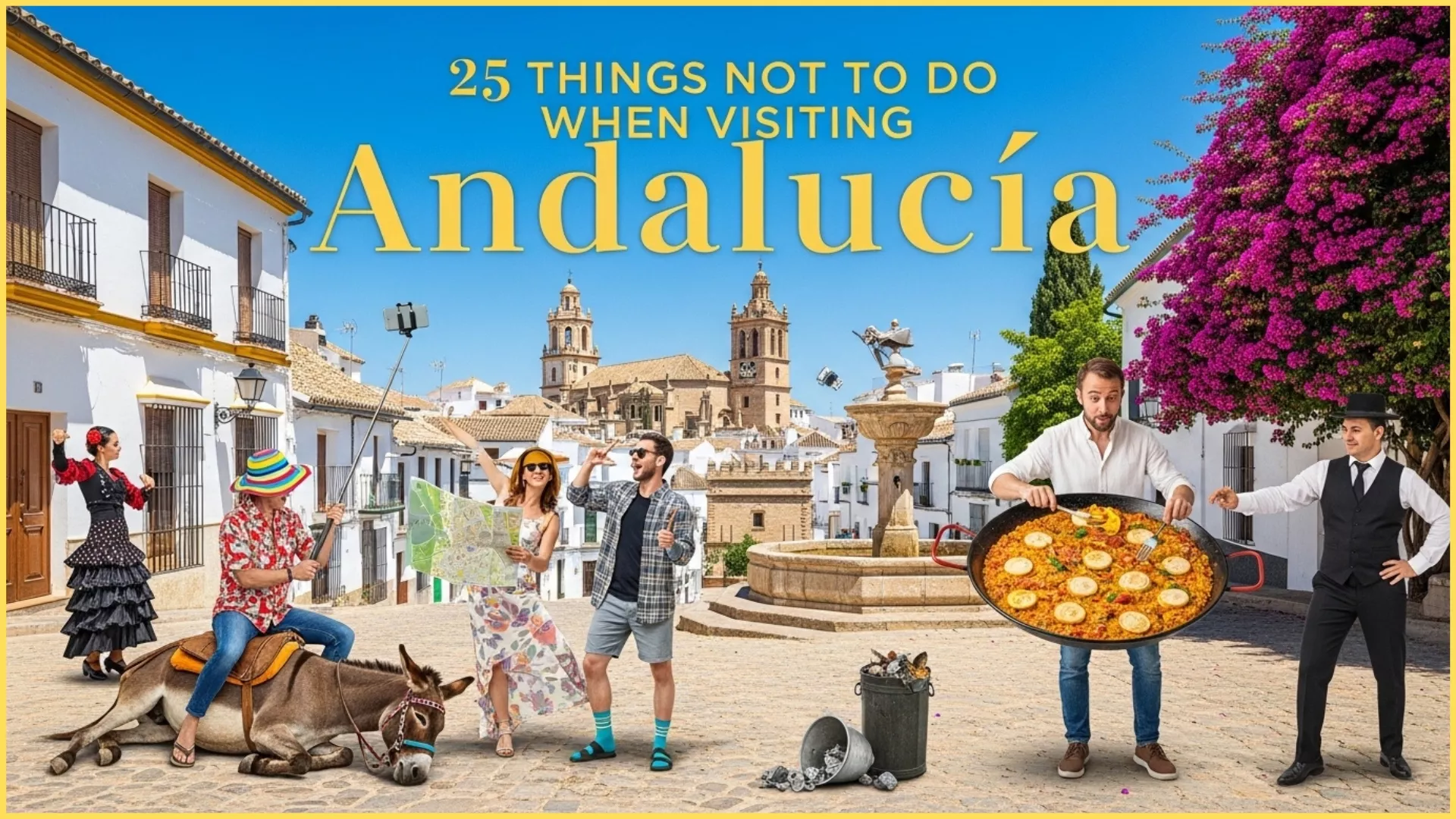
But here’s the catch: Andalucia is also very easy to do badly. A lot of first-time visitors move too fast, plan at the wrong times, or miss the best parts because they don’t know how things work here. So if you want a trip that feels smooth, fun, and a lot less stressful, here are 25 things not to do when visiting Andalucia.
1. Don’t visit just one city
It’s tempting to base your whole trip in Seville or Granada and call it a day. But that would be like ordering one tapa and leaving the bar — technically allowed, but a terrible idea.
Each city feels different. Seville is dramatic and full of energy, Granada feels romantic and layered, Cordoba is packed with history, and Malaga mixes old-world charm with a more modern vibe. If you can, visit at least two or three places. Even one extra stop can make your trip feel way richer.
2. Don’t ignore the summer heat
This is a big one. Andalucia in summer is not “a bit warm.” It can be seriously intense, with temperatures often going over 40°C in inland areas.
If you try to power through long walks at 2 PM in July, your body will absolutely file a complaint. Plan outdoor sightseeing early in the morning or later in the evening. Midday is for lunch, shade, air conditioning, or doing absolutely nothing and feeling great about it.
3. Don’t wait to book the Alhambra
If Granada is on your list, book the Alhambra as soon as your dates are fixed. Waiting until the last minute is one of the easiest ways to ruin your own plans, because tickets can sell out well in advance.
And yes, people really do show up hoping to buy a ticket on the spot. Sometimes that works. Often it does not. Don’t be that person standing outside looking sad.
4. Don’t skip the smaller towns
A lot of travelers stick to the big-name cities and miss some of the most memorable places in the region. That’s a mistake.
The pueblos blancos — those whitewashed hill towns like Ronda, Grazalema, or Zahara de la Sierra — are part of what makes Andalucia feel so special. They’re scenic, slower, and often way more relaxing than the bigger cities. Add at least one to your trip if you can.
5. Don’t expect early meal times
If you want dinner at 6 PM, Andalucia may gently laugh at you. In southern Spain, lunch is usually later, and dinner often doesn’t really get going until around 8:30 or 9 PM.
Trying to eat too early usually leaves you with limited choices, touristy places, or kitchens that are still closed. Shift your schedule a little, and life gets much easier. Plus, late dinners somehow just feel better on holiday.
6. Don’t eat right next to major attractions
This rule works in a lot of places, but especially here. Restaurants right beside famous landmarks are often more expensive, less authentic, and aimed at people who are hungry, tired, and making emotional decisions.
Walk a few streets away, and you’ll usually find better food, better prices, and fewer giant photo menus. If a place looks like it was designed by a committee to attract stressed tourists, keep walking.
7. Don’t skip tapas culture
Tapas aren’t just food here — they’re part of the rhythm of life. In some places, especially Granada, you may still get a free tapa with your drink, which is honestly one of the best systems humanity has ever created.
Instead of sitting down for one huge meal every time, try hopping between a few bars and having small bites along the way. It’s fun, social, and feels much more local.
8. Don’t rent a car without thinking about parking
A car can be super useful if you want to explore rural Andalucia or visit small villages. But driving into historic city centers? That can turn into chaos very quickly.
Old streets are narrow, signs can be confusing, and parking can be expensive or hard to find. If you rent a car, think ahead. In many cases, it’s smarter to park outside the center and walk or use public transport.
9. Don’t underestimate distances
Andalucia is big. Really big. What looks like a quick hop on a map can turn into a long drive that eats half your day.
It’s easy to create an itinerary that looks impressive but feels exhausting in real life. Try not to cram too much in. You want memories, not just mileage.
10. Don’t rely only on English
You can get by with English in many hotels and tourist spots, but not everywhere. In smaller towns, local bars, and everyday situations, a little Spanish helps a lot.
You don’t need to be fluent. Just knowing a few basics like “please,” “thank you,” “where is…?” and “the bill, please” can make things smoother and friendlier. People usually appreciate the effort.
11. Don’t dress carelessly for churches
Andalucia has some stunning religious sites, and many of them are active places of worship, not just tourist attractions.
If you show up in beachwear or very revealing clothes, you may feel out of place or even be refused entry. A light scarf or extra layer in your bag is a smart move and takes up almost no space.
12. Don’t treat flamenco like background entertainment
Flamenco means a lot here. It’s not just something to half-watch while checking your phone or chatting through the performance.
If you go, choose a good venue and give it your attention. Sit back, stay quiet, and let yourself get pulled in. The experience is so much better when you treat it with respect.
13. Don’t spend your whole Malaga trip only at the beach
The Costa del Sol is lovely, yes. But Malaga has way more going on than sunbeds and sunscreen.
The city has art, history, great food, and a surprisingly fun cultural side. And if you head inland, there’s even more to explore. So sure, go to the beach — just don’t stop there.
14. Don’t forget about siesta hours
Not everything is open all day. In many places, especially smaller shops and family-run businesses, you’ll still find closures in the early afternoon.
So if you plan to do all your shopping at 3 PM, don’t be shocked if the place is shut. Use that time for a long lunch, a break, or a little recharge before the evening starts.
15. Don’t overpack
Dragging a huge suitcase over cobblestones in hot weather is a travel experience nobody enjoys.
You really don’t need loads of outfits. Light clothes, comfy shoes, sunscreen, and a couple of practical extras will do the job. Pack for comfort, not for a fashion competition with yourself.
16. Don’t forget to drink water
This sounds obvious, but people still get caught out by the heat. Walking around all day in the strong sun can wear you down fast.
Carry water, refill when you can, and don’t ignore signs like dizziness, headache, or sudden tiredness. Your body is not being dramatic — it’s asking for help.
17. Don’t expect super-fast restaurant service
Meals here are meant to be enjoyed, not rushed. Service can feel slower if you’re used to quick turnover, but that’s often just the local dining style.
Also, the bill usually won’t appear unless you ask for it. That’s normal. Nobody’s forgotten you. You’re just being allowed to enjoy your table like a civilized human.
18. Don’t miss the sunset
Some of Andalucia’s best moments happen in the evening. Rooftops in Seville, viewpoints in Granada, dramatic cliffs in Ronda — golden hour really shows off here.
Try not to schedule every evening too tightly. Leave room for a slow walk, a nice view, or one of those “wow, okay, this is amazing” travel moments.
19. Don’t leave popular experiences until the last minute
It’s not just the Alhambra. Popular tours, well-known flamenco venues, and major attractions can fill up quickly, especially in busy seasons.
If something matters to you, book it early. Hope is not a travel strategy.
20. Don’t ignore local festivals
Andalucia knows how to put on a festival. Depending on when you go, you could end up there during Semana Santa, Feria de Abril, the Malaga Fair, or Cordoba’s Patio Festival.
These events can be incredible, but they also affect crowds, prices, and availability. So check local calendars before your trip. You might land in the middle of something unforgettable.
21. Don’t carry loads of cash
Spain is generally very card-friendly now, especially in cities. Some travel advice still notes that small cash amounts can be useful in certain situations, but carrying a lot is usually unnecessary and can increase risk.
Bring a little cash for small purchases or old-school places, but don’t walk around with a wallet full of euros like you’re funding a small movie production.
22. Don’t get careless with your valuables
Like many popular destinations, busy tourist areas can attract pickpockets. Distraction tricks and crowded zones are the usual problem spots.
You don’t need to be paranoid, just smart. Keep your bag secure, avoid leaving your phone loosely exposed, and pay attention in packed places.
23. Don’t assume you need a car for everything
A lot of people default to renting a car, but that’s not always the best move. Andalucia has strong train connections and good bus links, and booking transport in advance can save both stress and money.
For city-to-city travel, public transport is often easier than driving. Save the car for the countryside if that’s part of your plan.
24. Don’t skip local markets
Markets are one of the easiest ways to get a feel for local life. They’re lively, colorful, full of good smells, and usually much more fun than another generic souvenir shop.
If you get the chance, visit one in the morning when things are busy. It’s a great way to see everyday Andalucia in action.
25. Don’t rush the whole trip
Honestly, this might be the biggest mistake of all. Andalucia is not a place that rewards frantic travel. Advice from experienced travelers often stresses that trying to see everything in one trip is one of the most common mistakes.
Slow down a little. Leave some blank space in your plans. Sit in a square, order something cold, and watch life happen around you. That’s where a lot of the magic is.
Pro travel tips
If you want your trip to go more smoothly, these small things make a big difference:
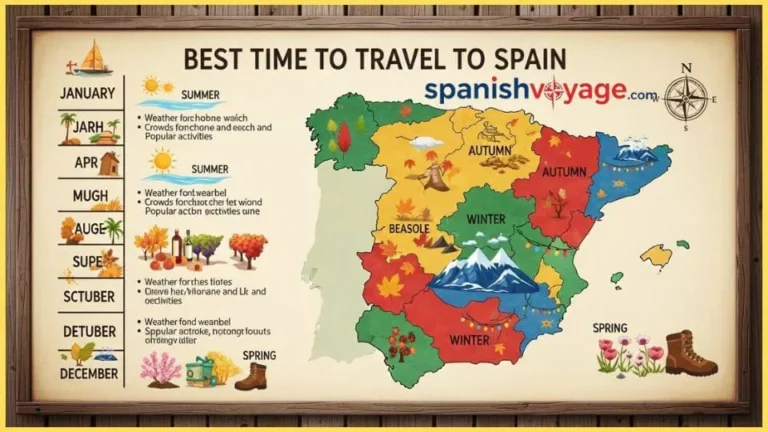
Best time to visit: Spring and autumn are usually the sweet spot for pleasant weather, while summer can be extremely hot inland.
Pack light: Breathable clothes, walking shoes, sunscreen, and a reusable water bottle are the real essentials.
Eat the local way: Late meals and tapas-hopping will usually give you a better experience than trying to stick to an early schedule.
Walk away from the landmarks before choosing a restaurant: It often pays off in both quality and price.
Book key attractions early: Especially if you’re traveling in peak season.
The vibe to remember
The best way to enjoy Andalucia is not to “do” as much of it as possible. It’s to enjoy it properly. The region is at its best when you stop rushing, loosen your schedule, and let the place surprise you a little.
So yes, plan the important stuff. Book the big sights. Drink water. Don’t eat dinner at 6 PM and then wonder where everybody is. And most importantly, leave room for the unplanned moments because those are often the ones you’ll remember most.